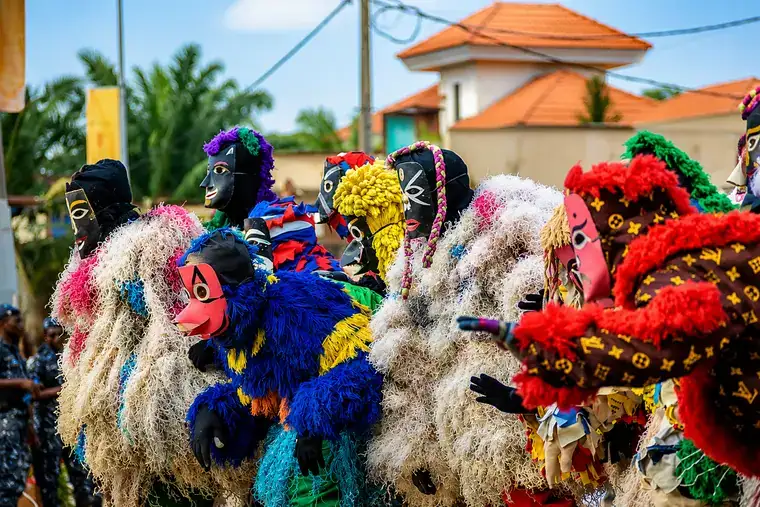
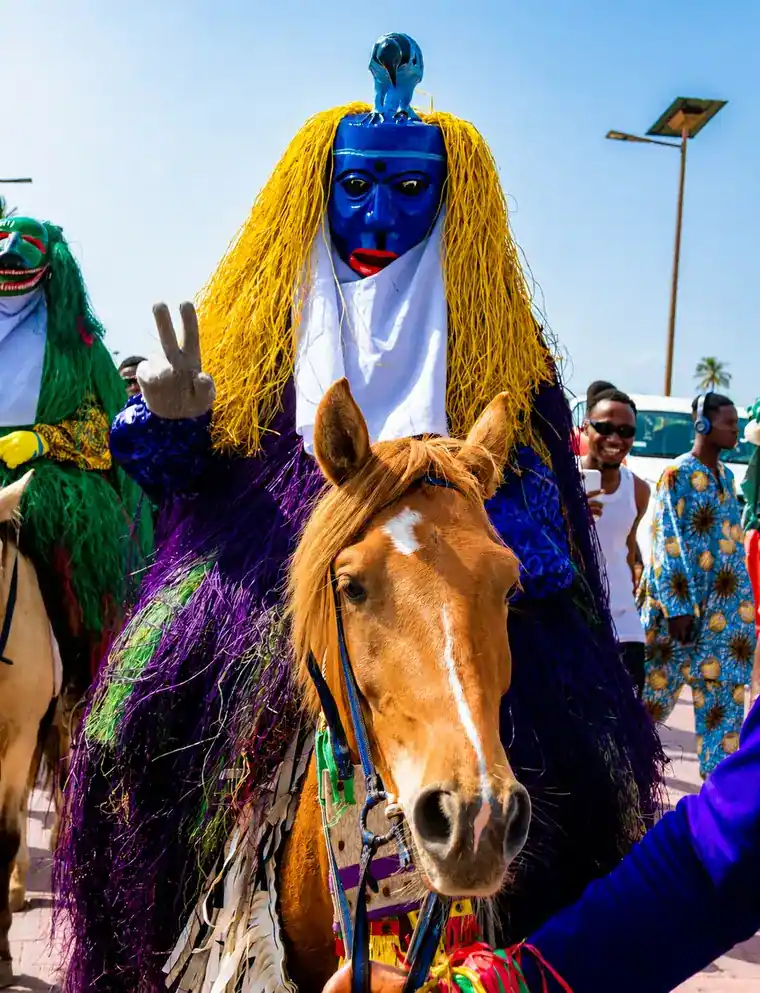
Who the Agouda are, their families, their masks, where to see their heritage: it is all gathered on our reference page. The Agouda of Ouidah →
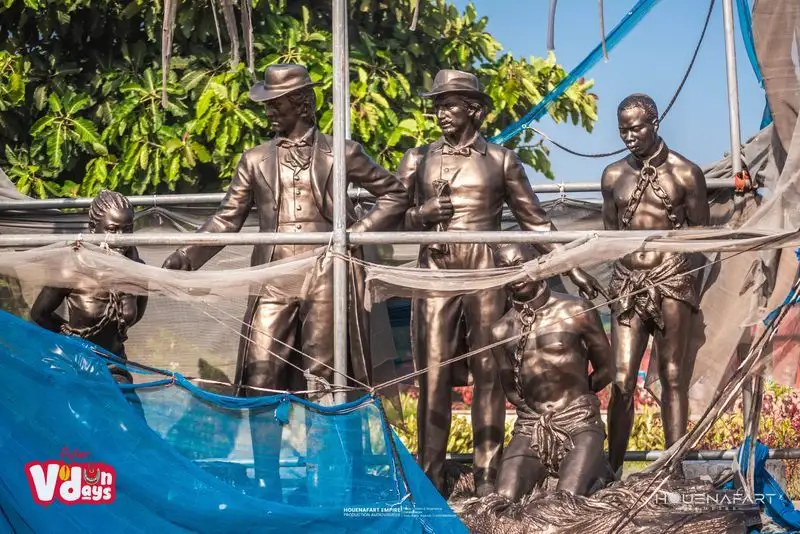
Atlantic history does not run in only one direction. Between 1835 and 1880, hundreds of enslaved people freed, primarily in Brazil and Cuba, made the reverse journey. Return to Africa. Return to Ouidah. They are called the Agudá in Benin, the Tabom in Ghana, the Amaros in Sierra Leone.
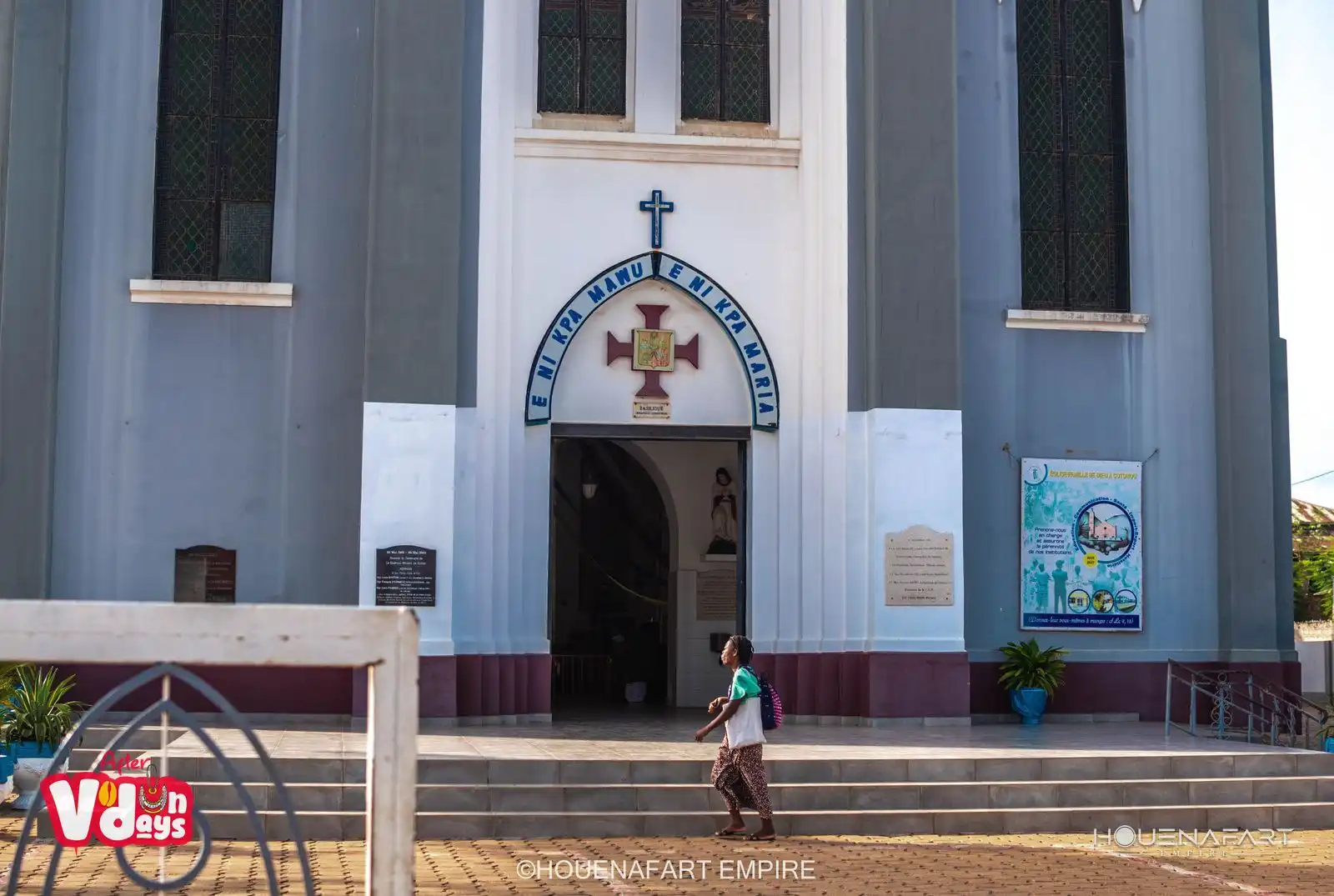
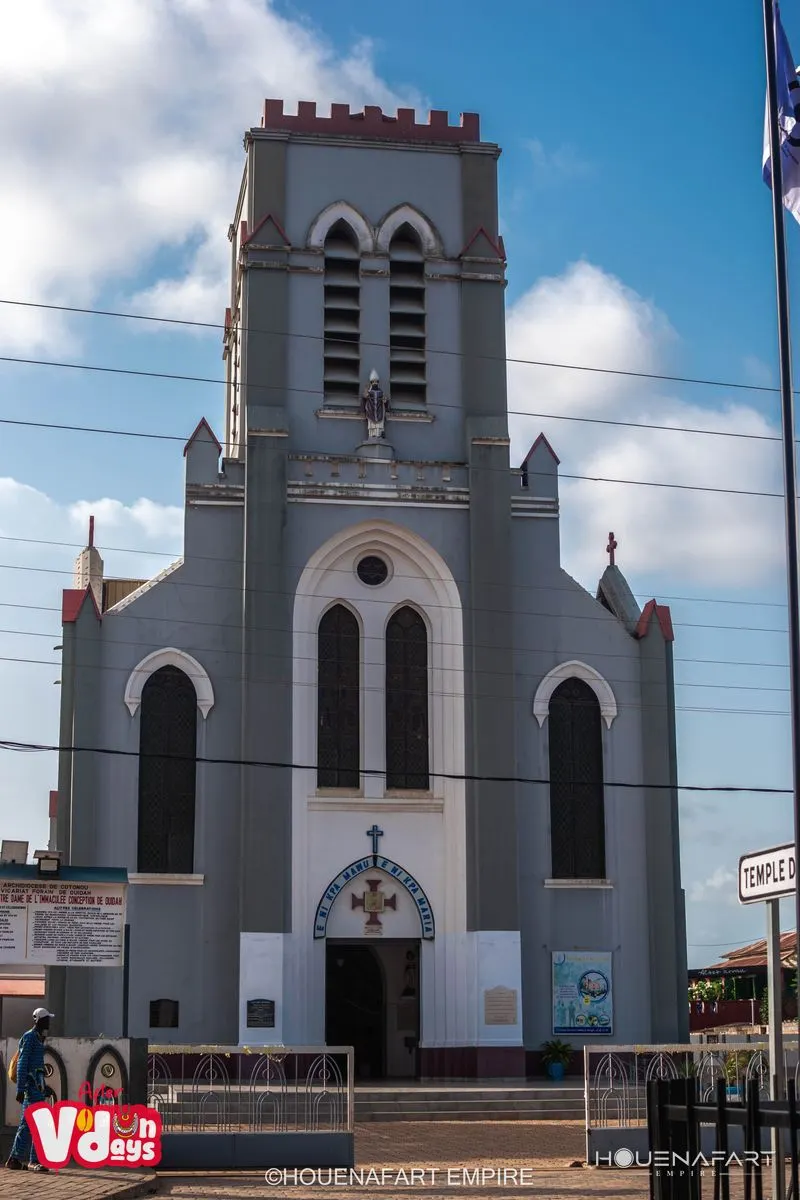
In Ouidah, they left an architectural, culinary, linguistic and cultural imprint that is still perfectly visible today. The grand colonial houses with verandas that line certain downtown streets, the Catholic crosses that coexist with Vodun altars in the same courtyards, the Portuguese family names carried by families who speak Fon, all of this comes from them.
The Agouda are living proof that Atlantic history is not a one-way straight line. It is a circle. And Ouidah is its geographic and spiritual center.
Agouda Architecture: Brazil on Beninese Soil
Walking through the historic quarter of Ouidah means crossing through an architecture hybrid unique in the world. The Agouda houses combine local building techniques, raw earth, palm wood, with elements imported directly from colonial Brazil: ceramic azulejos, rounded arches, wrought-iron balustrades.
Some of these houses still house today direct descendants of the 19th-century returnees. Families who carry names like da Silva, de Souza, Ferreira, Medeiros, and who speak Fon, Yoruba and Portuguese fluently within the same conversation.
The de Souza family is the best known: Francisco Felix de Souza, a Brazilian trader of Portuguese origin, became the most powerful figure in Ouidah in the 19th century. His house, the Museum of the House of Souza, still stands and is inhabited by his descendants. It is one of the most fascinating sites in Ouidah for those who understand the complexity of what it represents.
Agouda Cuisine: Acasa, Moqueca and Feijoada in Ouidah
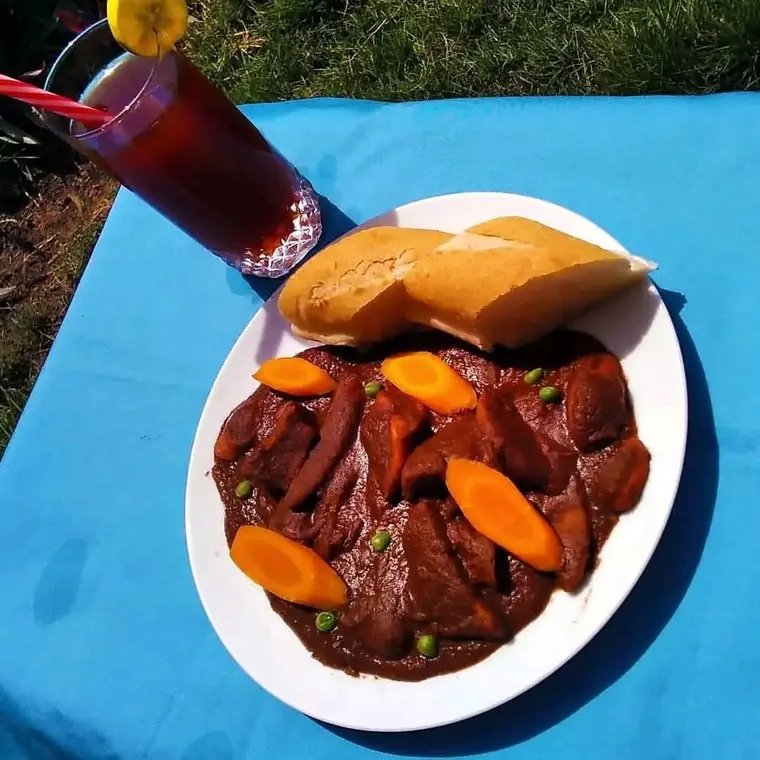
The most accessible and most immediately delicious Agouda legacy is culinary. Recipes brought back from Brazil adapted to local ingredients to create a unique fusion cuisine: acasa, the Beninese equivalent of Brazilian acaçá, made from fermented white corn, is eaten during Vodun religious ceremonies.
Beninese moqueca, fish in a spiced sauce, resembles its Brazilian cousin but is prepared with local palm oil and spices that do not exist in Brazil. The two recipes developed in parallel from a common ancestor.
During After Vodundays, a visit to an Agouda family can be arranged for participants who wish to explore this particular angle of Ouidah's history. Some families offer meals prepared according to recipes passed down since the 19th century, a culinary and historical moment at once.
For the Brazilian Diaspora: Ouidah Is Your Mirror
For Afro-Brazilians who make the journey to Ouidah, the Agouda experience creates a particular temporal vertigo. Seeing an African city carrying Brazilian architectural traces, while coming from a Brazil that carries African traces, is understanding through the body what no history textbook can convey through words.
Brazilian Candomblé and Beninese Vodun recognize each other. The Brazilian Orixás and the Beninese Vodun are the same deities, carried to America in the memories of the deported, kept alive in the terreiros of Bahia, Rio and São Paulo.
When an Afro-Brazilian participant attends a Vodun ceremony in Ouidah and recognizes in the chants, the rhythms and the gestures something they have already seen in a terreiro in Bahia, it is living proof that the diaspora was never truly separated from its source. It simply waited to return to it.
The Brazilian diaspora has a reserved place in Ouidah.
After Vodundays welcomes participants from Brazil every year, often descendants of Candomblé families who come to find the source. This is not a stay. It is access to Agouda families who do not receive just anyone, and who choose to share their table, their history, their 19th-century recipes with diaspora members who return. Direct impact: the participating Agouda families receive compensation set by ONG Wa Afriki, not by the tourism market. No travel agency has access to these families, they said no. ONG Wa Afriki, they said yes.