After Vodundays · Press room · ONG Wa Afriki
The facts. The figures.
The source.
Ouidah is one of the great African stories of this decade. This page gives newsrooms what they need: verifiable facts, sourced figures, and ground access that isn't improvised.
740,668
Vodun Days 2026 participants, official figure
56
Nationalities represented in 2026
Jan 2-9
Vodun Days 2027, official core Jan 7, 8, 9, public holidays Jan 7 and 8
N°0108
MISP registration, ONG Wa Afriki, Benin
100
After Vodundays places, never more
0
Agency commission, local stakeholders paid directly
The verifiable facts
Everything below can be checked.
That's the rule of this page.
Official figures, legal statuses, dates of law. A newsroom should be able to verify everything, and we provide the references on request.
Vodun Days, Benin's national holiday
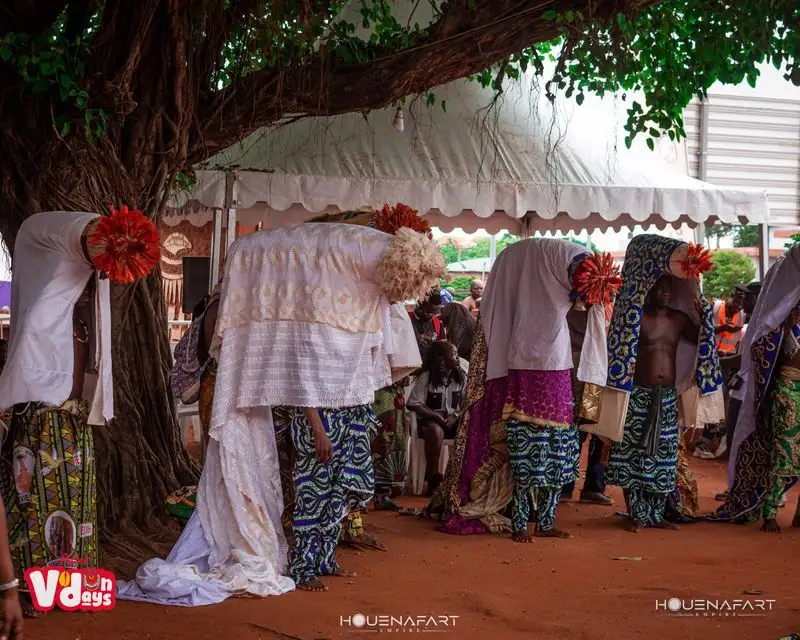
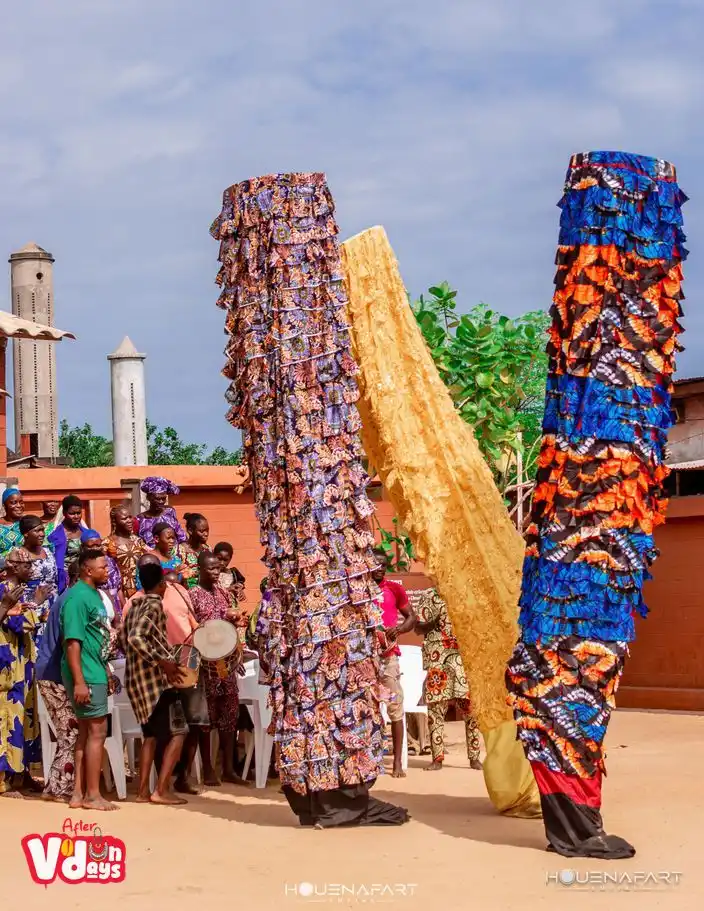
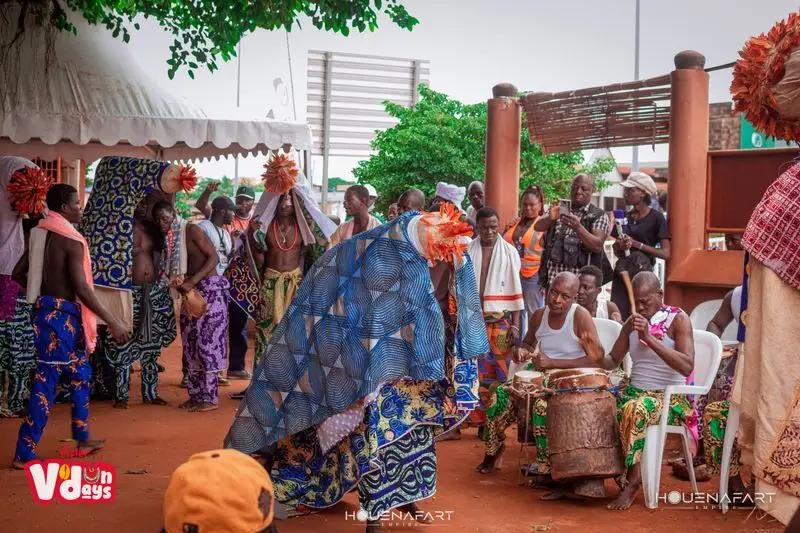
Celebrated as a national holiday since January 1996, written into law no. 97-031 of August 20, 1997, set by law no. 2024-32 of September 2, 2024: the National Holiday of traditional religions falls on the second Friday of January. 2026 edition: 740,668 participants, 56 nationalities, 1.94 million cumulative visits across Ouidah's sites, official figures from the Beninese government. 2027 edition: 2 to 9 January in Ouidah, official core on January 7, 8 and 9.
ONG Wa Afriki, registered, numbered, verifiable
A non-governmental organization under Beninese law, N°0108/MISP/SGM/DAIC/SACC/SA, IFU 6202683958025, bank account at UBA Ouidah branch. Formalities started in 2019, registration completed in 2022. In between: building the network of local alliances, host families, artisans, guides, that makes the program possible.
After Vodundays, the program
A program from January 4 to 14, 11 days and 10 nights (official core on January 7, 8 and 9, optional year-end stay at the Palais d'Agondji, December 30 to January 3) extending the official Vodun Days, plus two programs open year-round. Teams of 10 (Standard) or 5 (VIP) per January edition, each with three staff members. A community contribution, included in the price, funds the equipment of the Agondji Palace and will be published in the annual report.
The Cloboto Tour and the Little Train of Ouidah
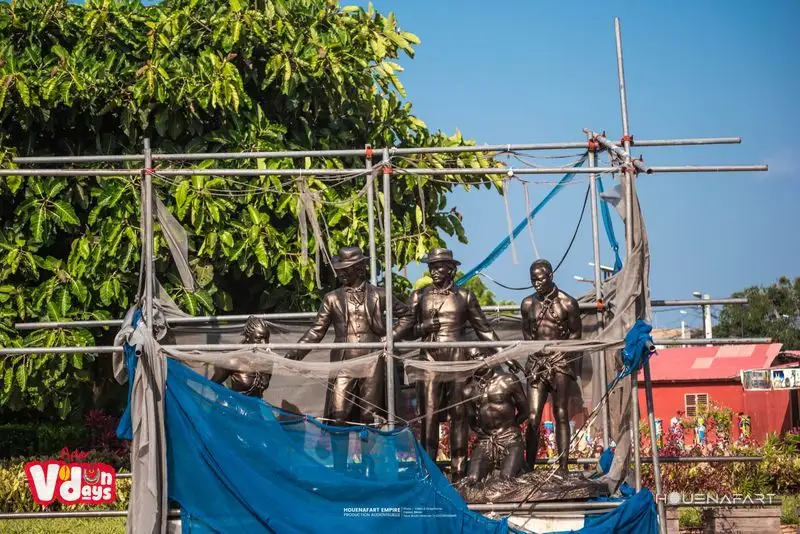
The Cloboto Tour, designed and operated by ONG Wa Afriki, connects the sites of the Slave Route in guided circuits, currently run by vehicle, commentary in four languages. The Little Train of Ouidah, a tourist train built around 18-passenger convoys, is the project's next step, in development, investor file open. One of the country's rare tourism projects entirely carried by a local NGO.
The African New Year 6263
ONG Wa Afriki carries the African New Year project in Ouidah, a full day bringing together traditional authorities, the diaspora and the general public around the ancestral African calendar. The dossier is complete and costed; it awaits funding.
The founder
Bertian Hounon, born in Ouidah in December 1996, grandson of Daagbo Hounon Houna I. A specialist in Vodun and the Fa oracle since 2016, heir to the Dossou-Yovo lineage, a family that has historically mediated between the African and Western worlds.
The festival in the world's media
Vodun Days has gone around the world.
Our own story hasn't been written yet.
These newsrooms have covered Vodun Days, the national festival our program extends. The story of After Vodundays itself, a Ouidah NGO opening to the diaspora what the festival cannot show, still remains to be told. We're saving it for whoever writes it first.
For newsrooms
Five stories
that haven't been told yet.
The Little Train of Ouidah, the infrastructure an NGO is building
A local NGO already operating its guided circuits on the Slave Route, now building its own tourist train, with no foreign capital, with guides from the city. A story of local engineering being written in real time, that no one has told yet.
The model roots-tourism is looking for
While Ghana's Year of Return faces documented criticism over excluding local communities, a Beninese NGO applies the opposite: host families and tradition-guardians paid directly, with no middleman, a community contribution published in the annual report.
The nationality of the ancestors, and the trip that embodies it
Benin's My Afro Origins law grants citizenship to descendants of the deported. In Ouidah, the port of embarkation, a program accompanies that return on the ground. The only country in the world where the administrative story and the spiritual story meet.
Leaving with the name of your lineage
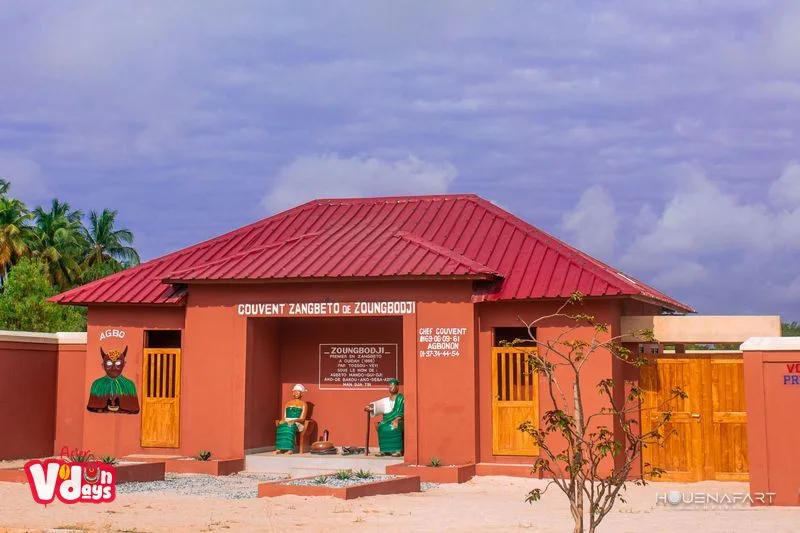
A Fa consultation, UNESCO intangible heritage since 2008, led by Ouidah's Bokonons for diaspora members who arrived with a DNA test and left with a lineage. Where genealogy stops, tradition continues.
The African New Year 6263
Three days in August 2026 bringing the global diaspora together around the ancestral African calendar, in Ouidah, the city of memory. A pan-African event born of a neighborhood NGO, not a ministry.
Press kit · On request
What we hand
to journalists.
Fact sheet
All the verifiable facts on this page, official figures, statuses, dates, sources, consolidated into a single document available on request, with references.
Original photos
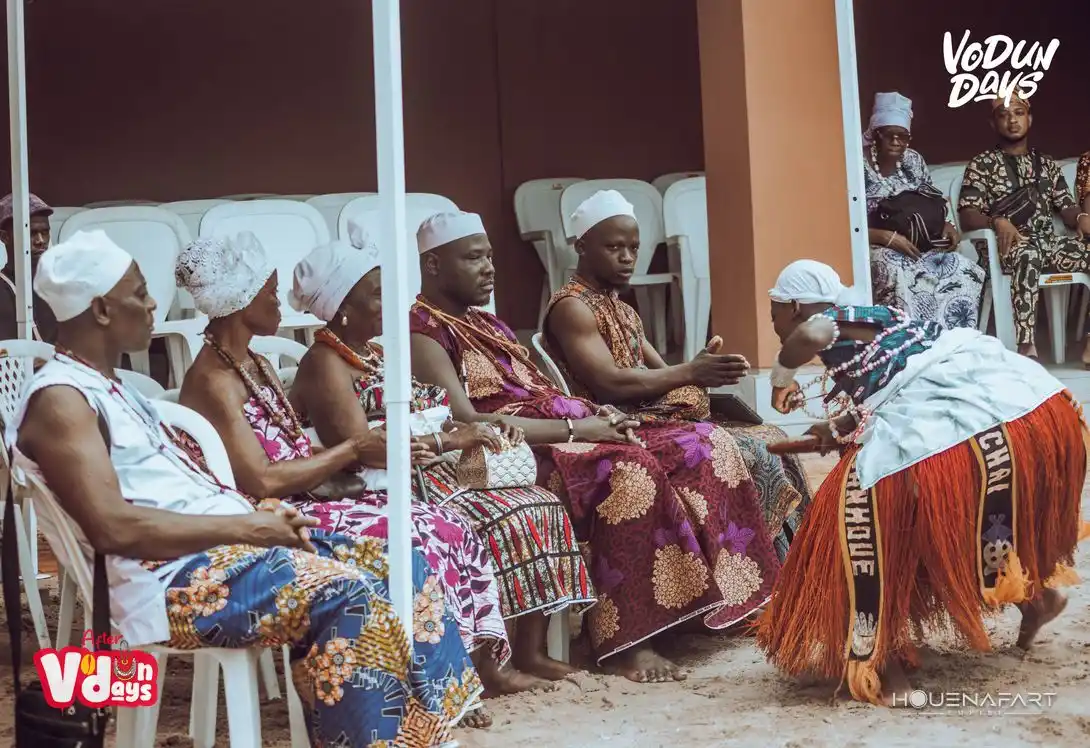
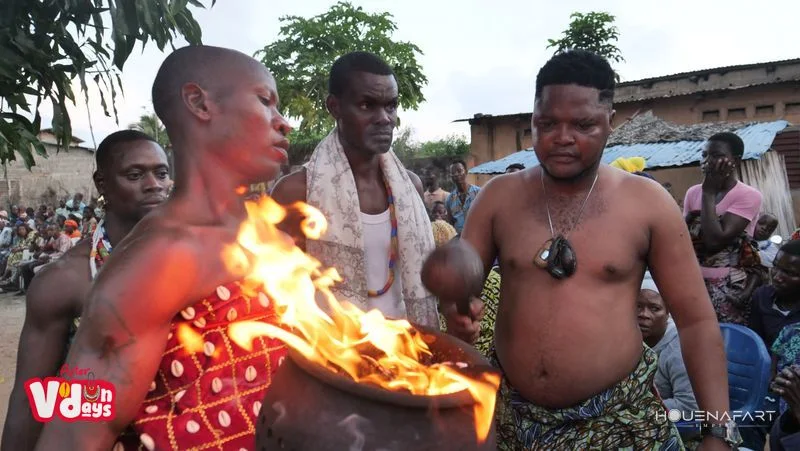
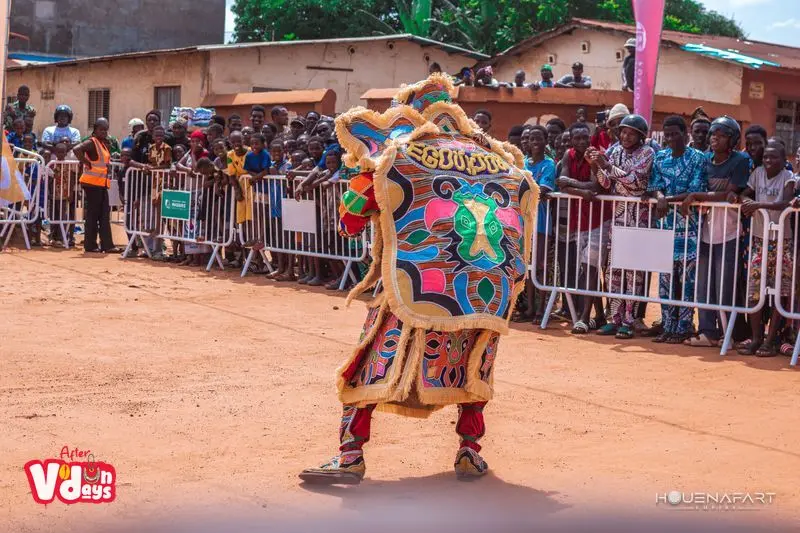
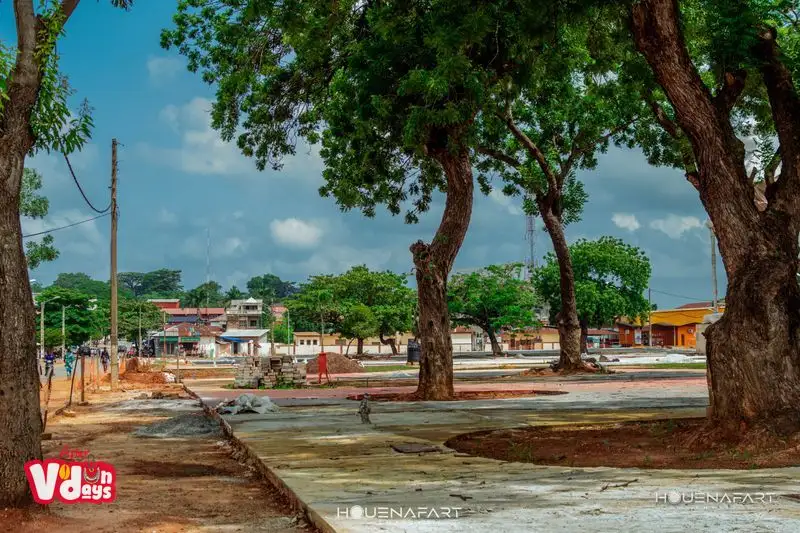
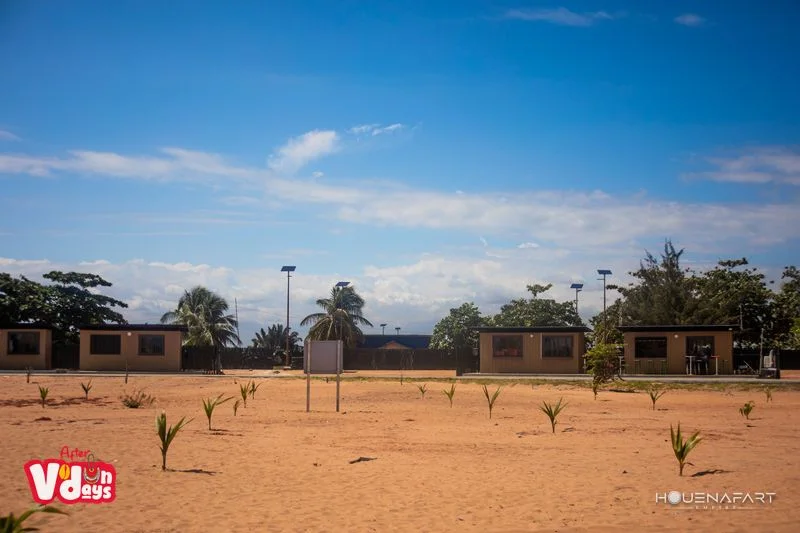
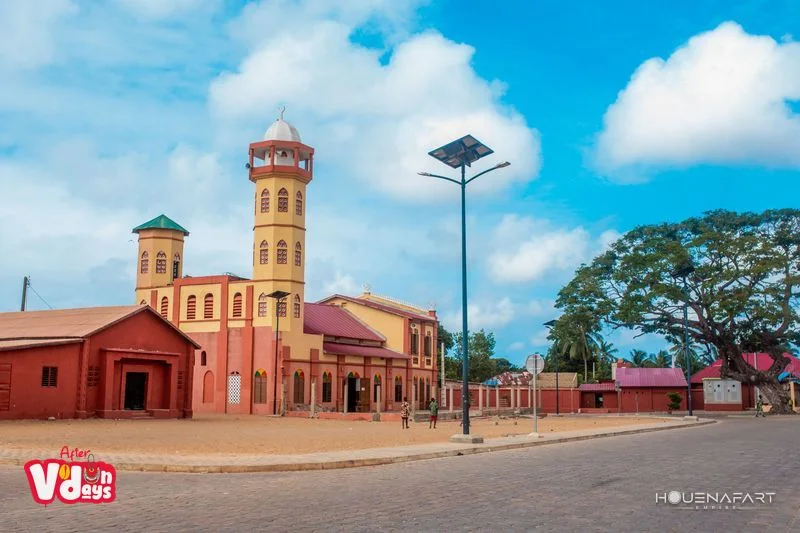
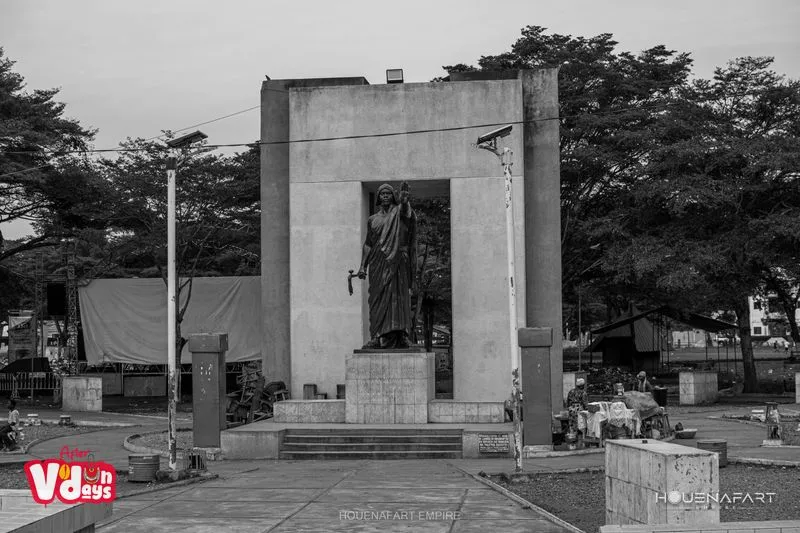
Images from past editions and the sites, public ceremonies, families, Cloboto Tour circuits, the Slave Route. Editorial use under ONG Wa Afriki credit. Closed ritual spaces are not photographed: it's a rule, not a limitation.
Interviews & field access
Connection with the founder, guides and, with prior consent, tradition-guardian families and dignitaries. Ground access for reporting depending on editorial angle and respect for the sacred.
ONG Wa Afriki · N°0108/MISP · Ouidah, Benin
An angle on Ouidah?
Talk to the source.
We are not a PR agency. We are on the ground, in the neighborhoods, with the tradition-guardians, with the real facts of a tourism model that pays communities directly, with no middleman. This access, built since 2019, is open to newsrooms whose angle honors the subject.
Response within 24 h