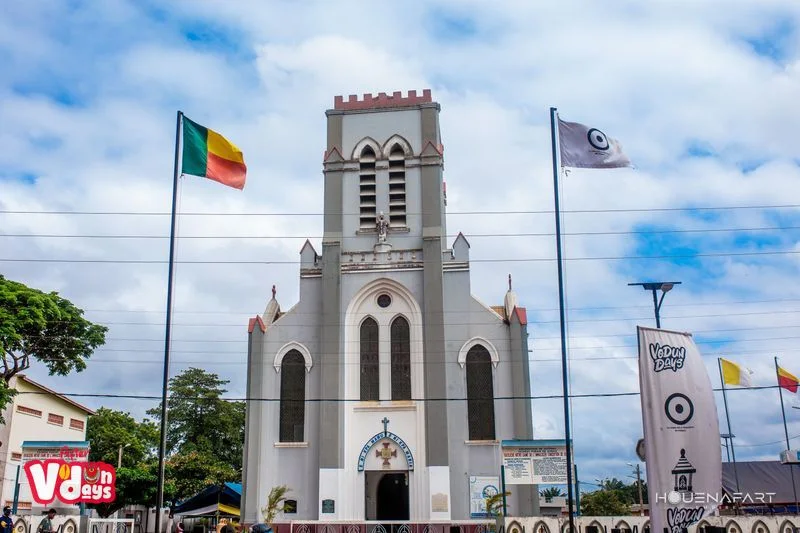
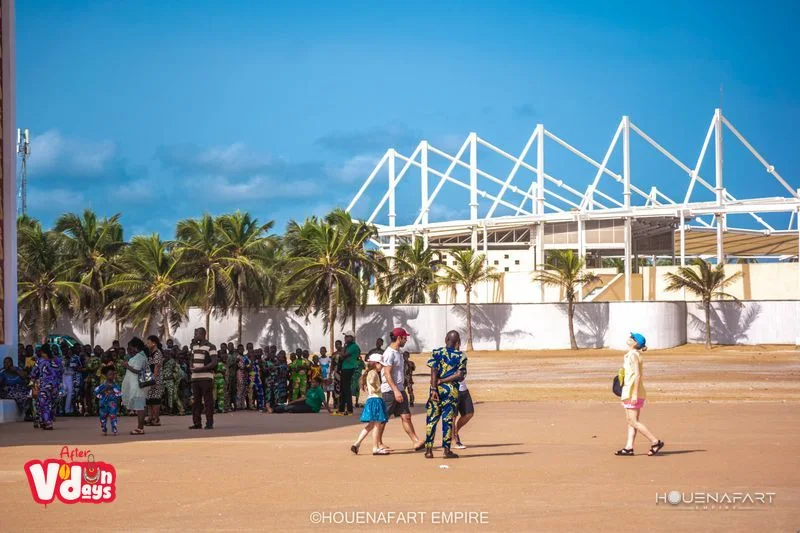
Every year, they arrive. From Port-au-Prince, from Atlanta, from São Paulo, from Paris, from Lagos, from London. They arrive in Ouidah with something in their eyes that looks like anticipation, sometimes apprehension. And they leave changed.
The phenomenon has been documented across several editions of After Vodundays. Participants from the global African diaspora, Haitian, Brazilian, Cuban, American, Caribbean, European, do not experience Ouidah as a trip. They experience it as a return.
A return to something whose precise existence they often did not know, but whose absence had been felt their whole life in multiple forms: a fragmented identity, an incomplete sense of belonging, a spirituality sought without ever finding its source.
Ouidah Is Not a Destination. It Is an Origin.
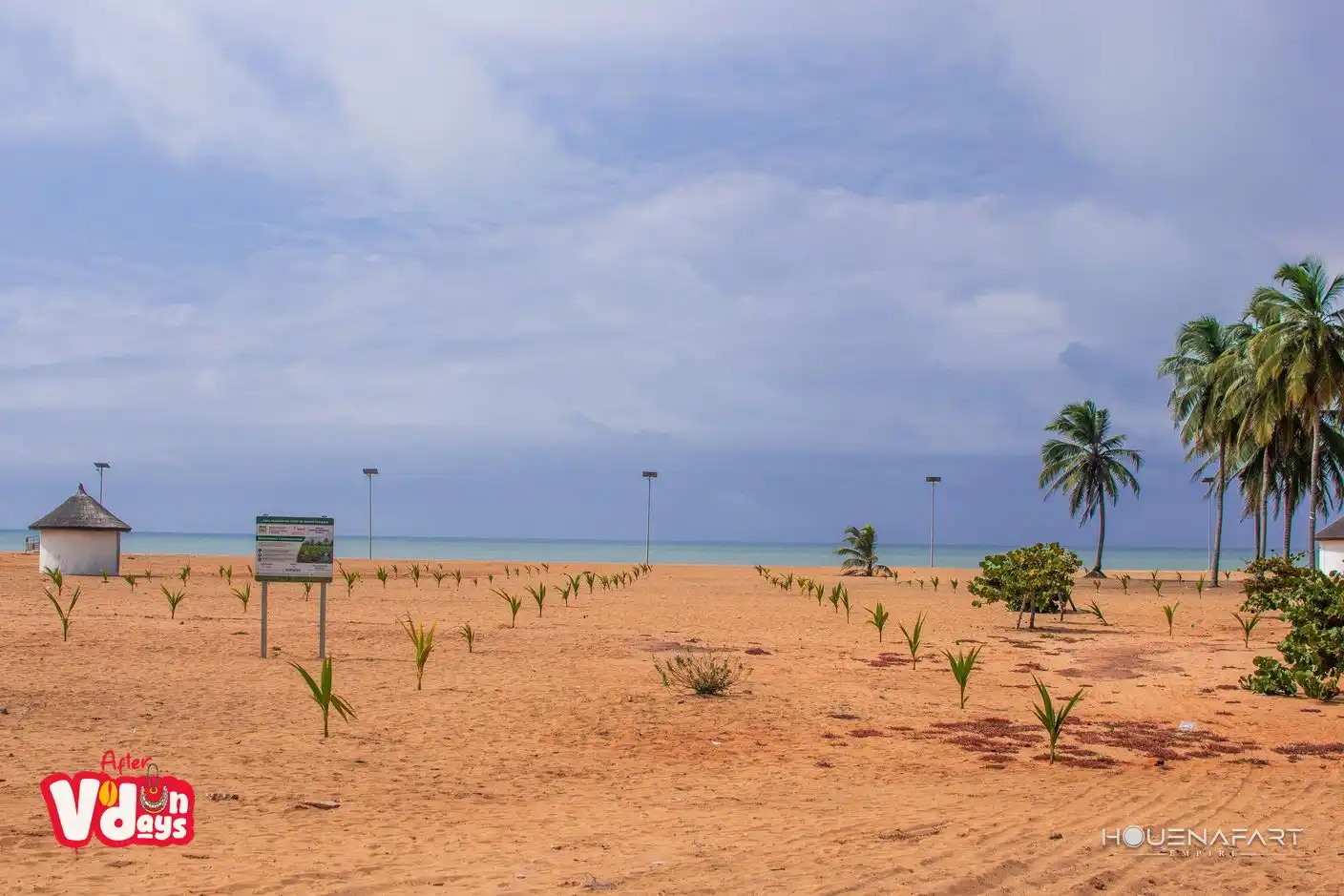
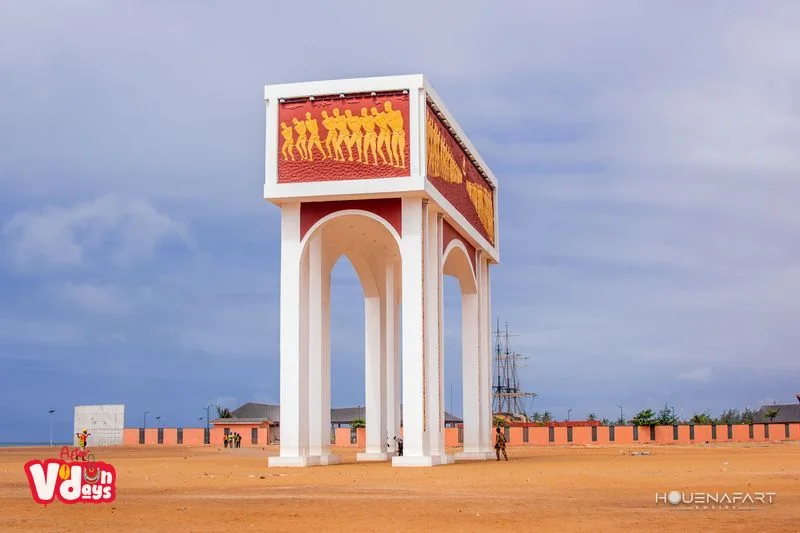
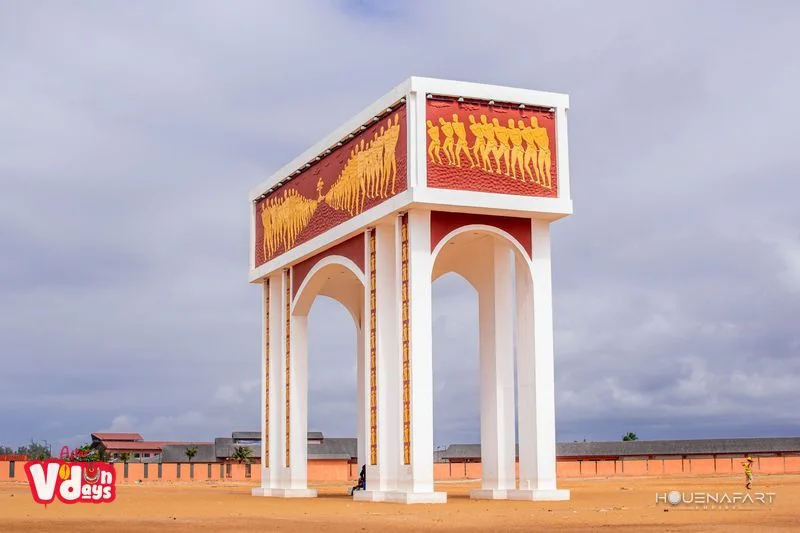
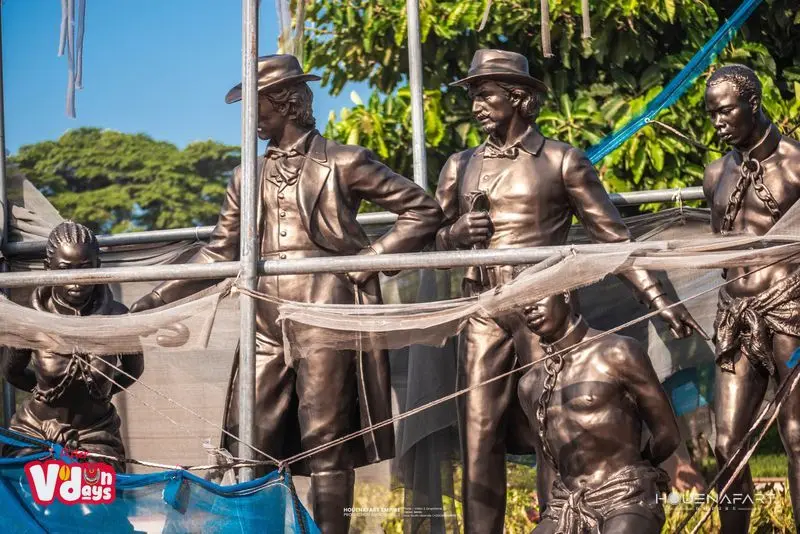
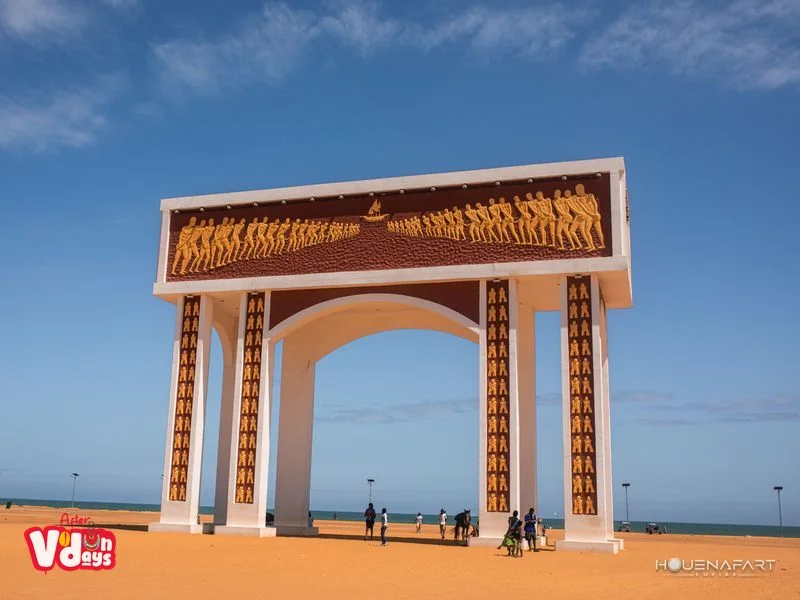
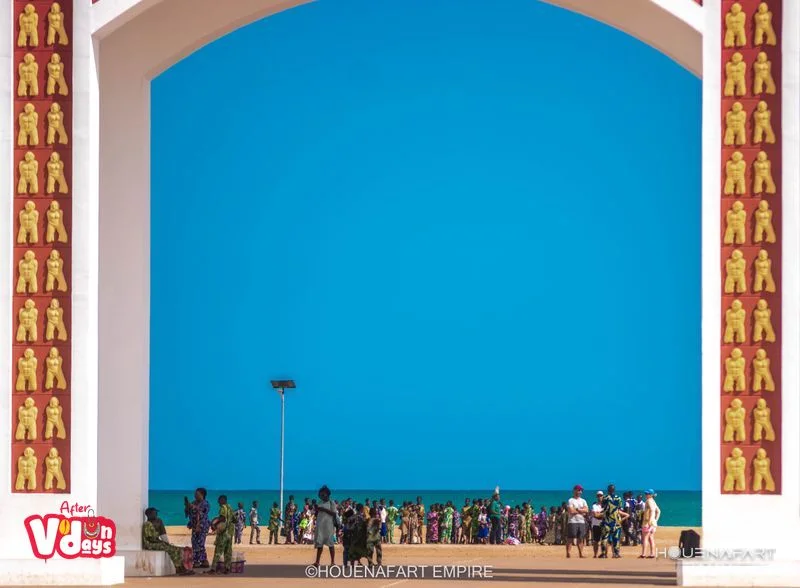
Between the 16th and 19th centuries, Ouidah was Benin's main departure port for the transatlantic slave trade. More than 400,000 Africans embarked from its beaches for Haiti, Brazil, Cuba, the Caribbean, the United States. Their descendants, millions of men and women today, carry in their cultural, and sometimes genetic, DNA a link with this land.
This link is not sentimental. It is structural. The spiritual practices of Haitian Vodou, Brazilian Candomblé, Cuban Santería are direct survivals of the Vodun tradition of Ouidah, transformed by the forced adaptation to slavery, but recognizable in their deep structure.
When a Haitian participant arrives in Ouidah and witnesses for the first time a Vodun ceremony in its original context, something happens that has no name in the vocabulary of ordinary cultural tourism. He sees the source of what his grandmother passed on to him without knowing where it came from.
What Psychologists Name, and What Ouidah Offers
Cross-cultural psychology research has documented since the 1990s a phenomenon it calls “diasporic identity grief”: the loss, across several generations, of the fundamental cultural markers, language, spirituality, territorial belonging, that structure identity.
This grief, often unconscious, manifests as a persistent form of inadequacy, in the host society, where the individual never quite feels they belong, but also in the ancestors' country of origin, from which they are separated by too many generations to feel native.
Ouidah, through After Vodundays, offers something no course, no book, no therapy can substitute: a physical, sensory and relational experience of the source. Not a reconstruction, the living tradition, passed on by those who are its legitimate guardians. The difference is absolute.
Meetings No One Else Can Arrange
What sets After Vodundays apart from everything else on the African cultural tourism market is access. Not access to sites, access to people. Guardians of tradition who do not open their door to just anyone.
Each edition of After Vodundays organizes intimate meetings with guardians of tradition, Hounon, Bokonon and Vodunsi. These meetings are not held in groups of 50. They take place in a small circle, within a framework of respect and reciprocity, not spectacle.
ONG Wa Afriki has built these relationships on the ground, patiently. They rest on trust, a trust that DAAGBO HOUNON HOUNA 1, Supreme Pontiff of Vodun, helped establish. No travel agency, no tourism operator has access to this network. It cannot be bought. It is earned through years of presence and commitment.
They Come Back. That Is the Best Proof.
What sets After Vodundays apart is not a satisfaction rate displayed at the end of a stay. It is that participants come back, for the next edition, or through the Circuit 365 program, which offers access to Ouidah year-round.
When people from six continents deliberately return to a city in Benin, forgoing other destinations, devoting time and budget, it is because something happened that goes beyond travel. Ouidah is not a destination one checks off a list. It is a place one returns to because something was left there, or because something was found there that no one knew they were looking for.
Your Ouidah awaits you. Spots are limited, access is built in small groups, never en masse.
After Vodundays cannot be replaced by another trip. It is an experience of identity reconciliation, or it is nothing at all.