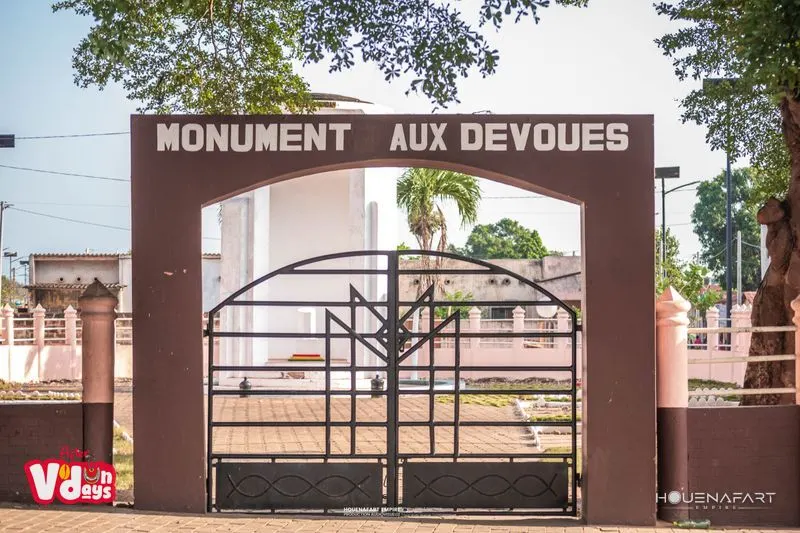
There are places on earth that carry a historical weight so dense that one does not visit them, one crosses them. Ouidah's Slave Route is one of those places. And crossing it changes something within you that never comes undone.
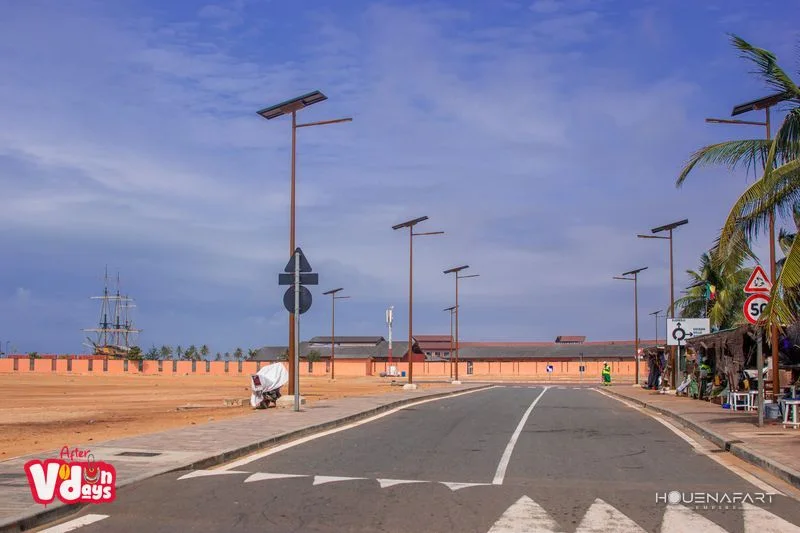
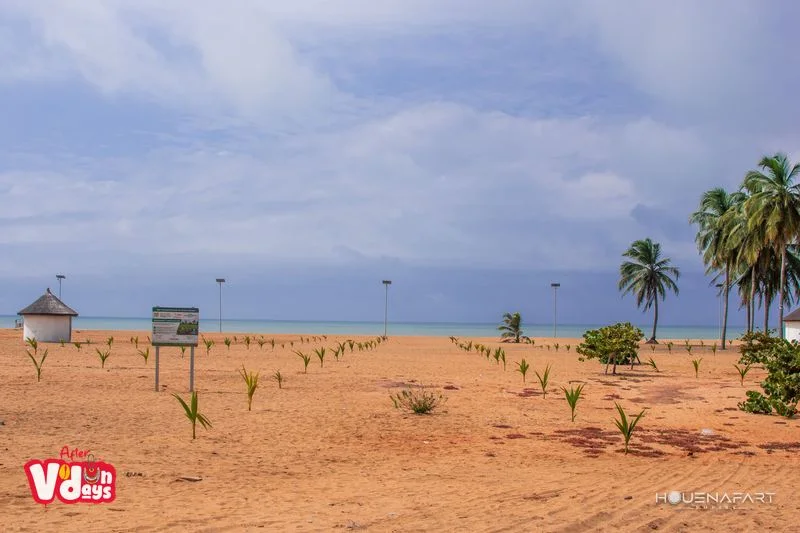
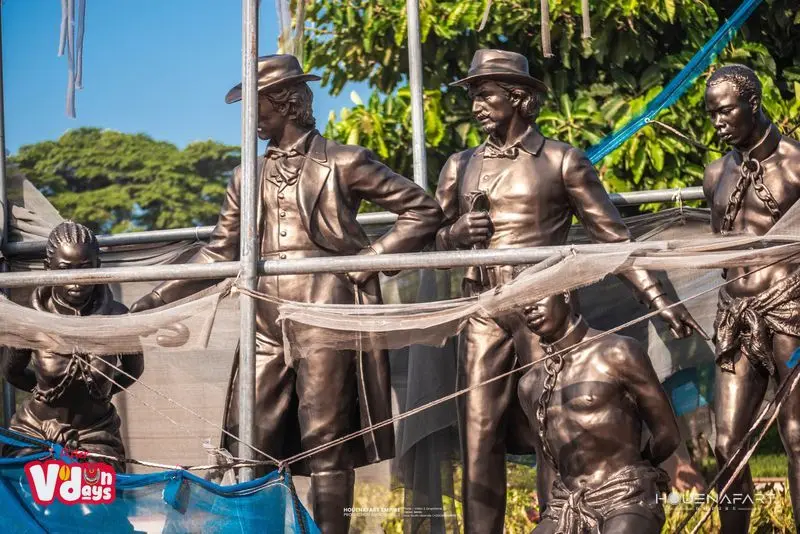
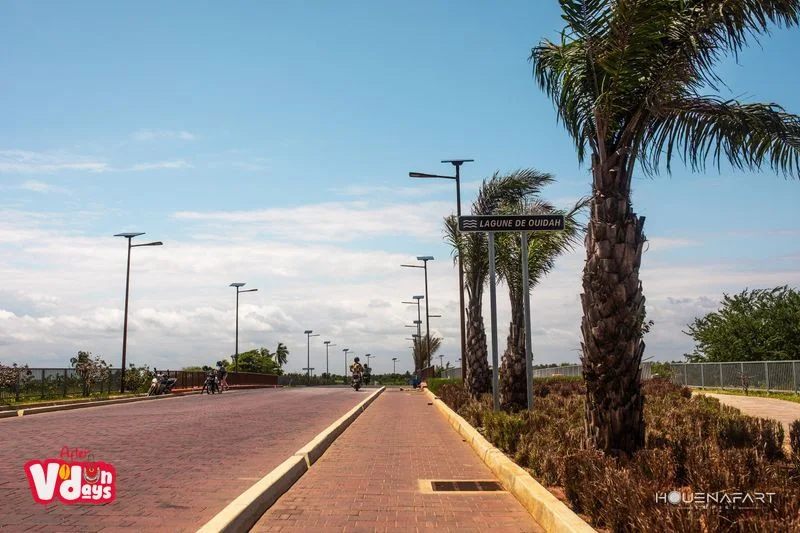
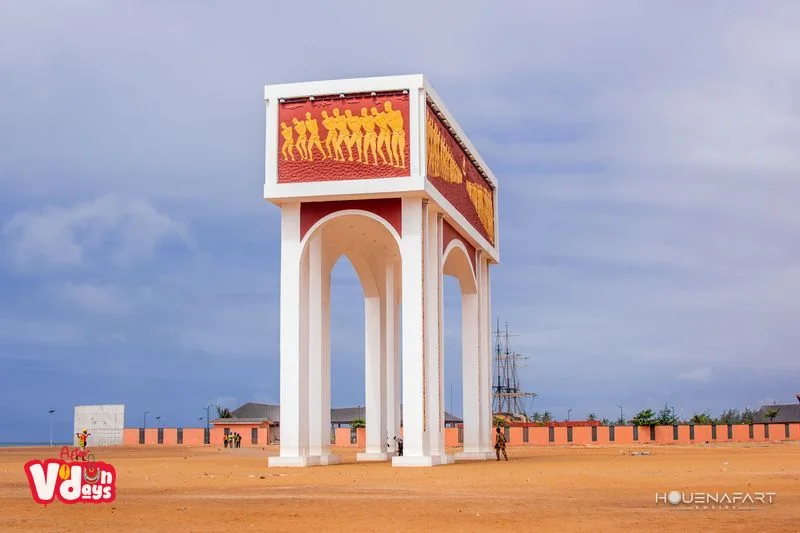
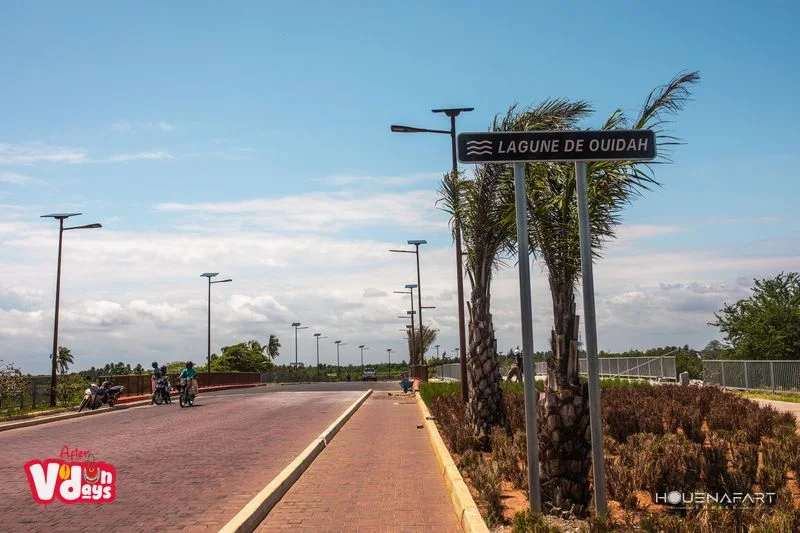
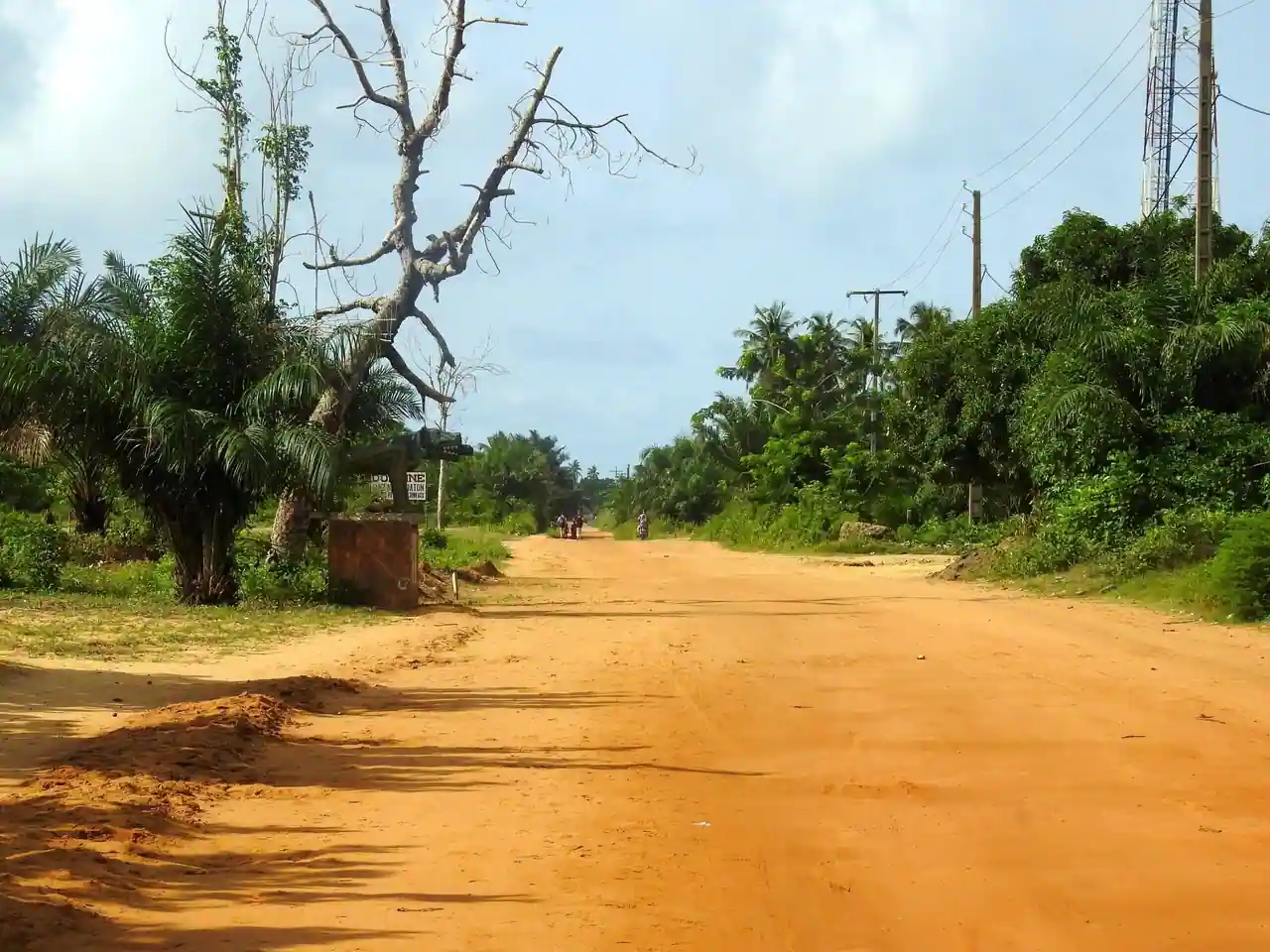
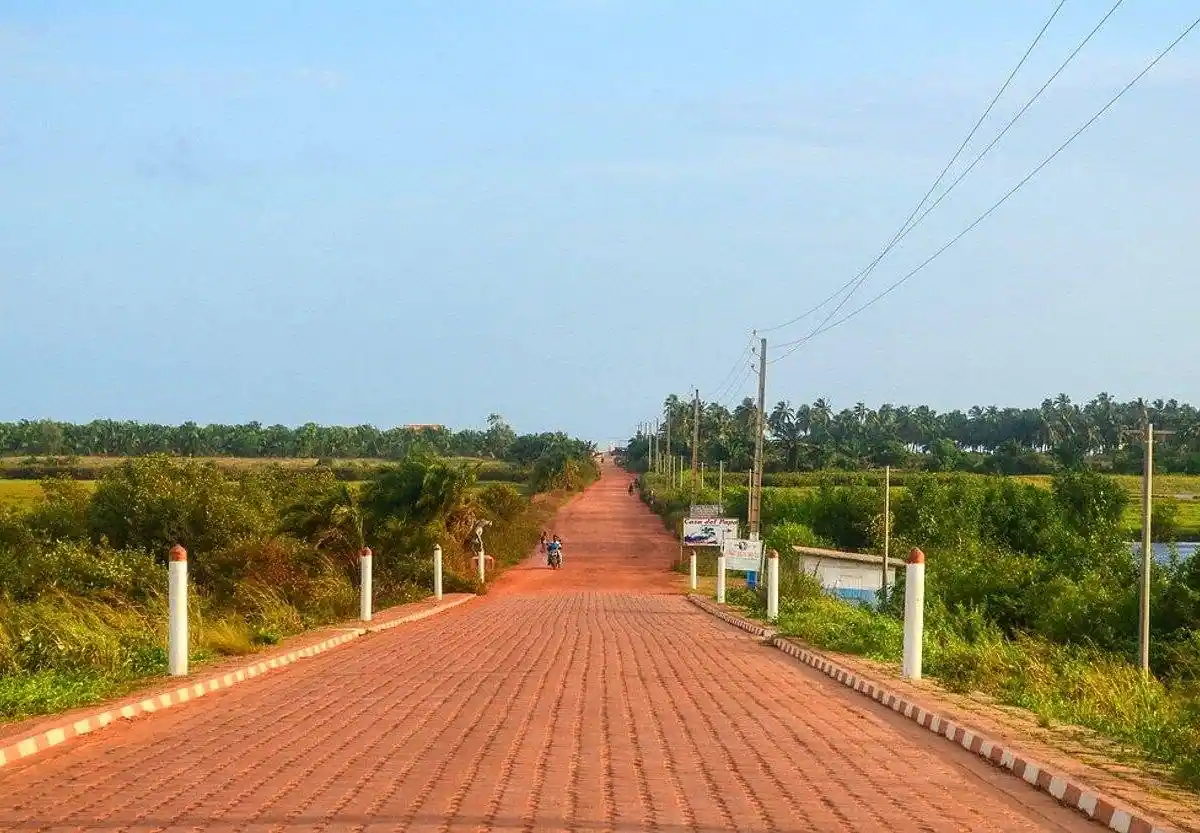
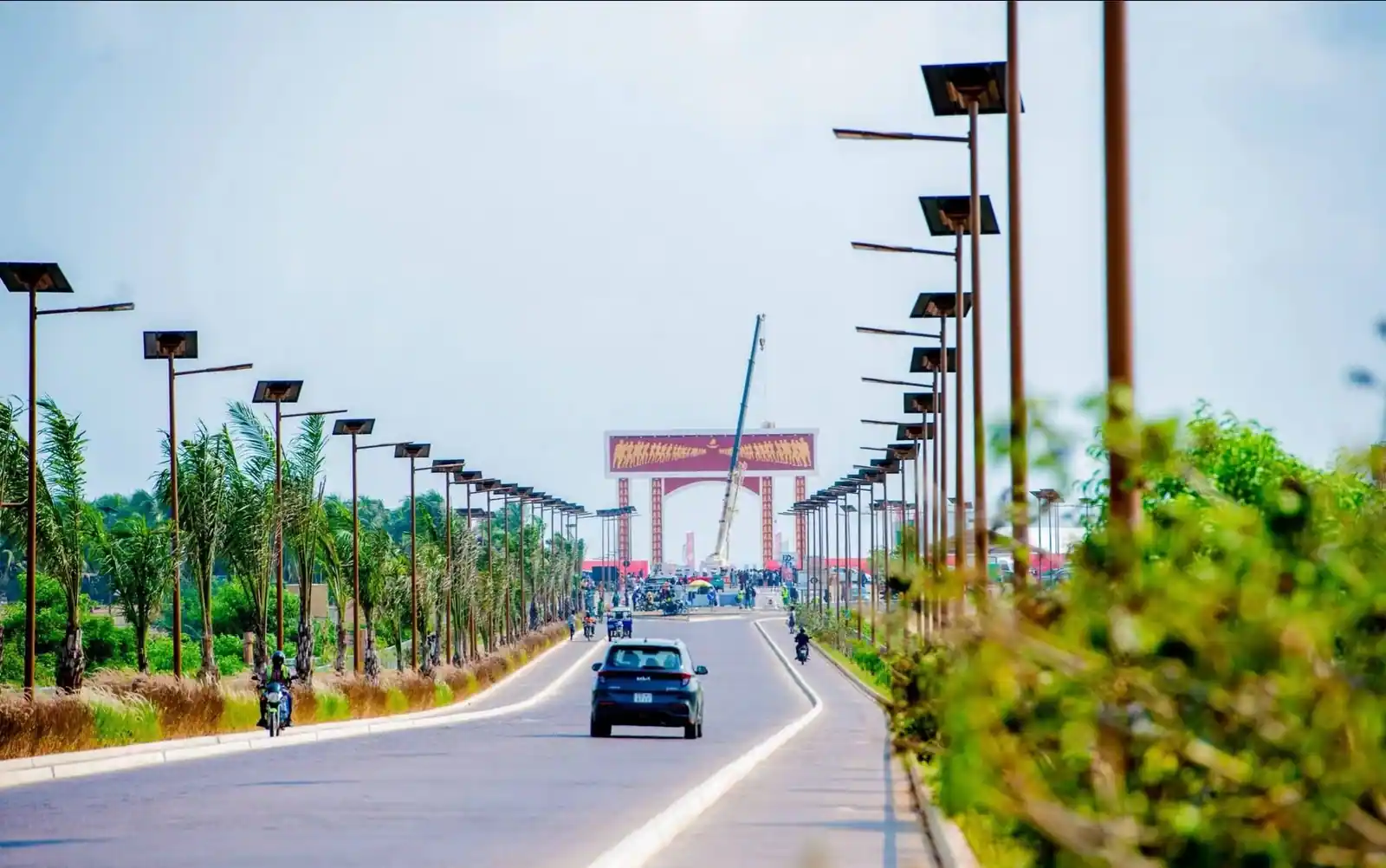
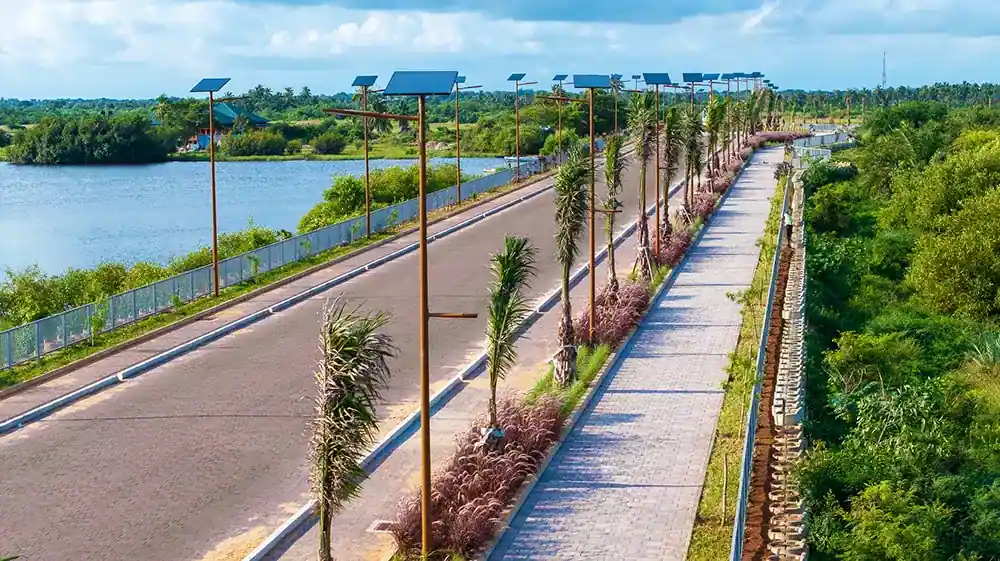
Listed as a UNESCO World Heritage site and part of the international Slave Route Project since 1994, this 4-kilometer road links the historic center of Ouidah to the beach at the Door of No Return. It is the path that hundreds of thousands of Africans, in chains, walked before being deported to the Americas between the 16th and 19th centuries.
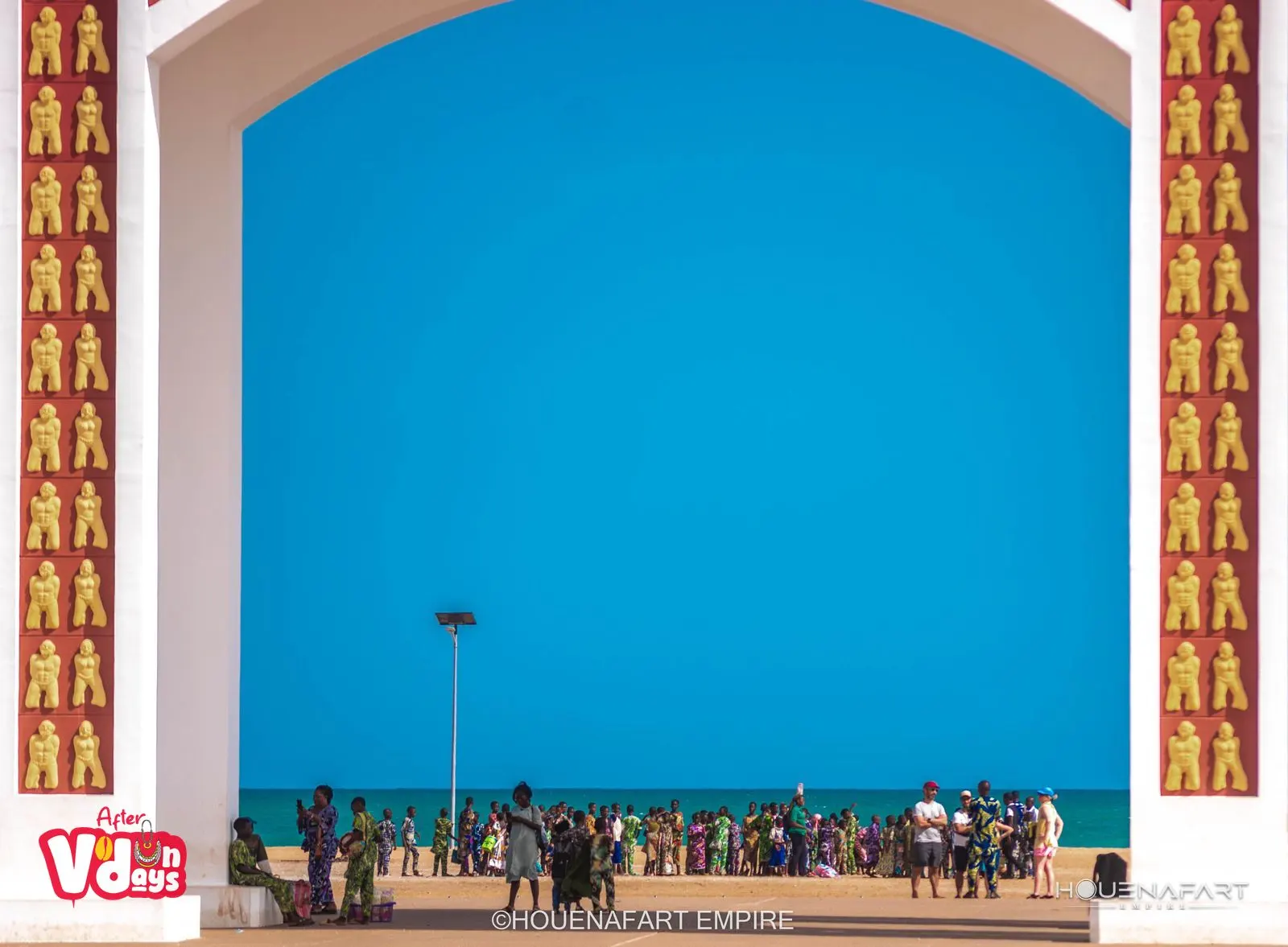
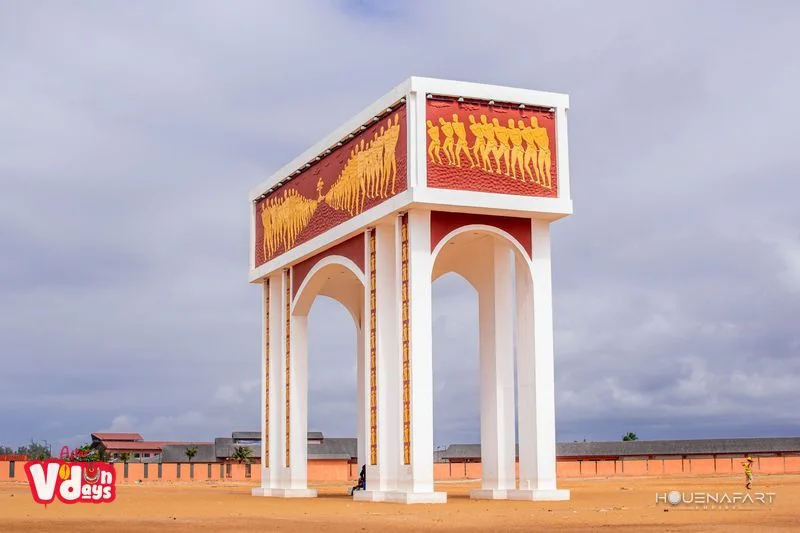
The Door of No Return, a monumental arch erected on the beach, marks the exact spot where they embarked. On the other side: the Atlantic. The final separation.
What the Road Still Carries
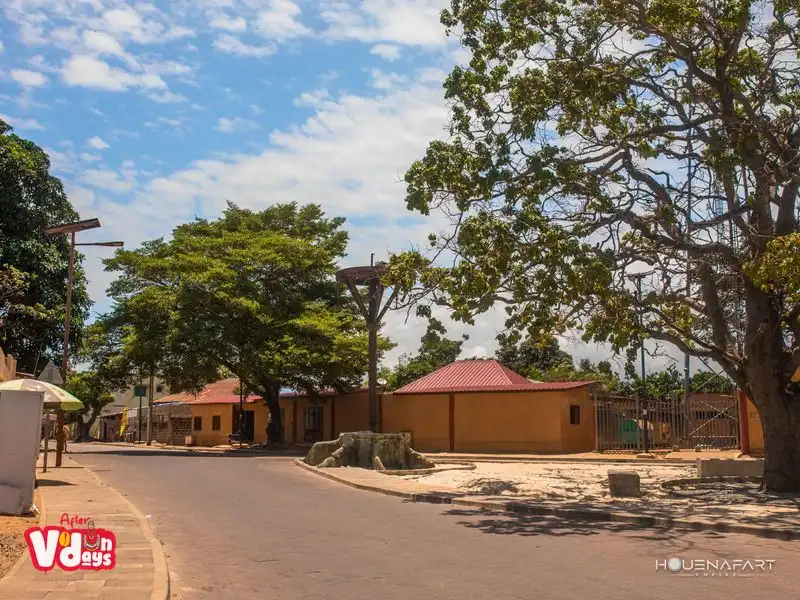
The Slave Route is not a museum monument. It is a living space, crossed every day by the residents of Ouidah on their way to the market, to school, to work. This coexistence of the everyday and memory is one of the traits that make Ouidah irreplaceable.
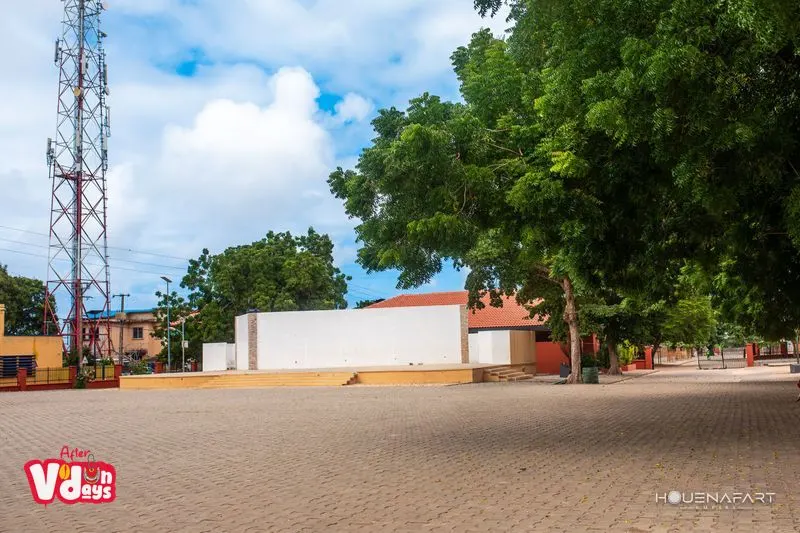
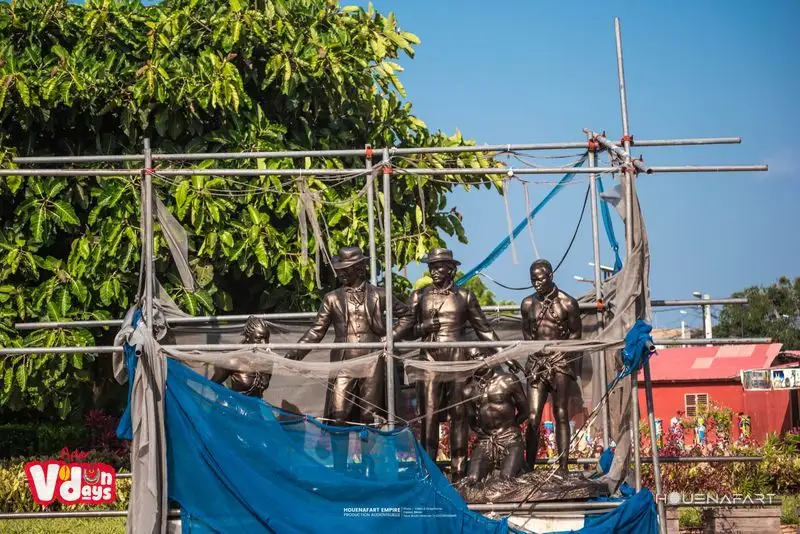
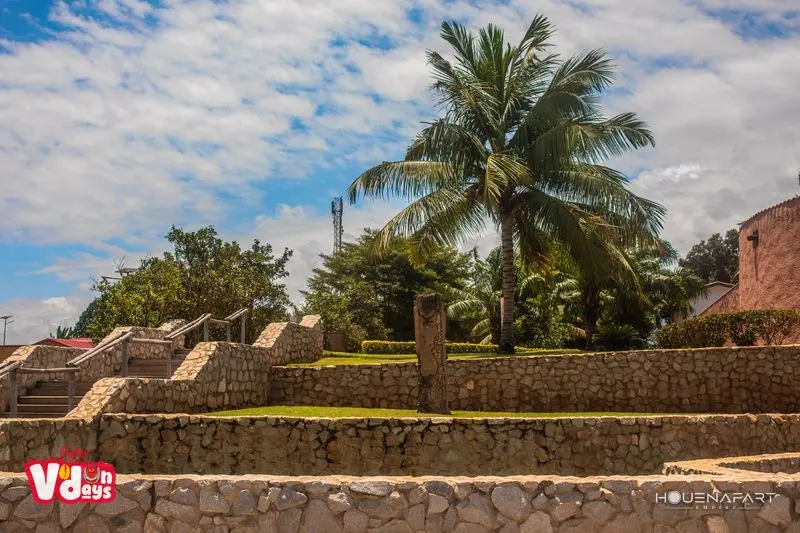
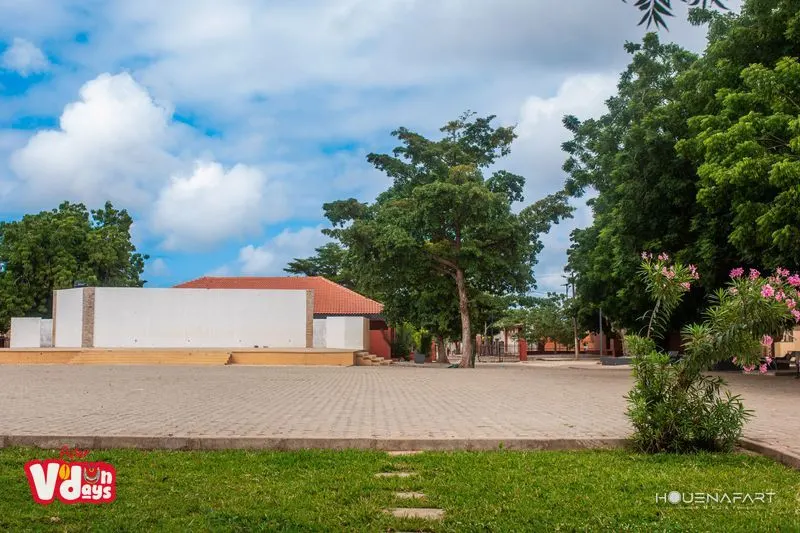
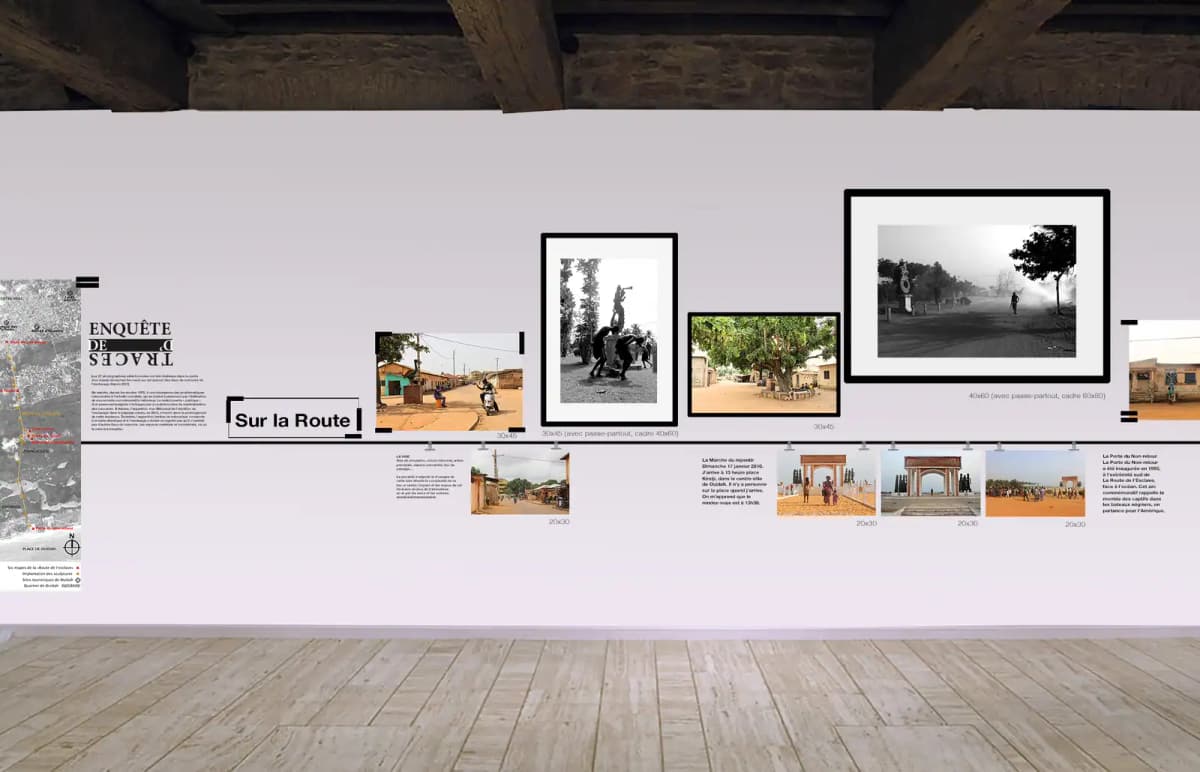
Along the way, seven monuments mark the route: the Tree of Forgetting (around which deported men would circle nine times to erase their memory), the Tree of Return (for women, seven times, in hope of rebirth), Chacha Square (named after Francisco Felix de Souza, a Brazilian trader of Portuguese origin who controlled the trade from Ouidah), and the Beach of the Door of No Return.
Within After Vodundays, crossing the Route is not done in a tourist group with a headset-mic guide. It is done accompanied by a member of ONG Wa Afriki and, depending on availability, a guardian of tradition from Ouidah. The difference is total.
The Reconciliation Ceremony
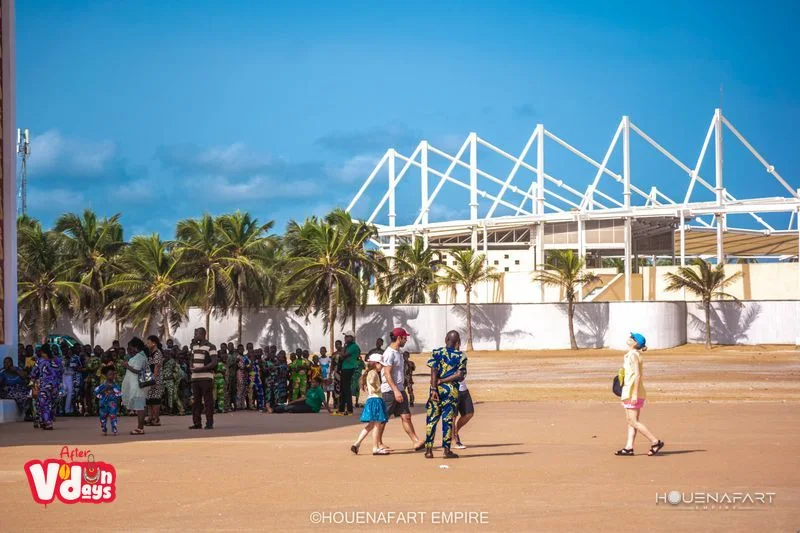
Every year during the Vodun Days, a reconciliation ceremony is held at the Door of No Return. Thousands of participants, Beninese, Haitian, Brazilian, American, walk the Slave Route together in reverse: from the sea toward the land. The symbolic return.
This ceremony, conducted under the authority of DAAGBO HOUNON HOUNA 1 and the spiritual authorities of Ouidah, is not a theatrical reenactment. It is a ritual act rooted in Vodun tradition, the reconciliation of the ancestors and their descendants, the closing of a cycle that the slave trade had opened.
After Vodundays participants who witnessed it, or actively took part in it, unanimously describe an experience that belongs to another category than travel. Several speak of healing. Of resolution. Of something they cannot name but which was necessary.
Concrete impact of each edition: 2 local families involved in the logistics of the ceremony, paid directly. The guardians of tradition who conduct the ritual receive compensation set by the tradition, not negotiated down by a commercial middleman. This model of direct payment is one of the reasons the guardians agreed to open access. They see the difference between an operator who exploits and an ONG that commits.
Ouidah 2026: The Route Within a Renaissance
In 2026, Ouidah is undergoing transformation. The Beninese government is investing heavily in renovating architectural heritage, improving tourism infrastructure and enhancing historic sites. The Slave Route is one of the priority projects.
This urban renaissance does not dilute the intensity of the place. On the contrary, it creates a context where memory and the present coexist with renewed force. Ouidah in 2026 is not a city hiding behind its past, it is a city that embraces its position as a global crossroads between African memory and Pan-African renaissance.
It is into this Ouidah that After Vodundays invites you. Not into an open-air museum. Into a living city, aware of what it carries, and determined to make something great of it.
Walk the Route. Attend the ceremony. Be there.
No description replaces physical presence on the Slave Route. After Vodundays accompanies you there, in conditions that honor what this place carries.