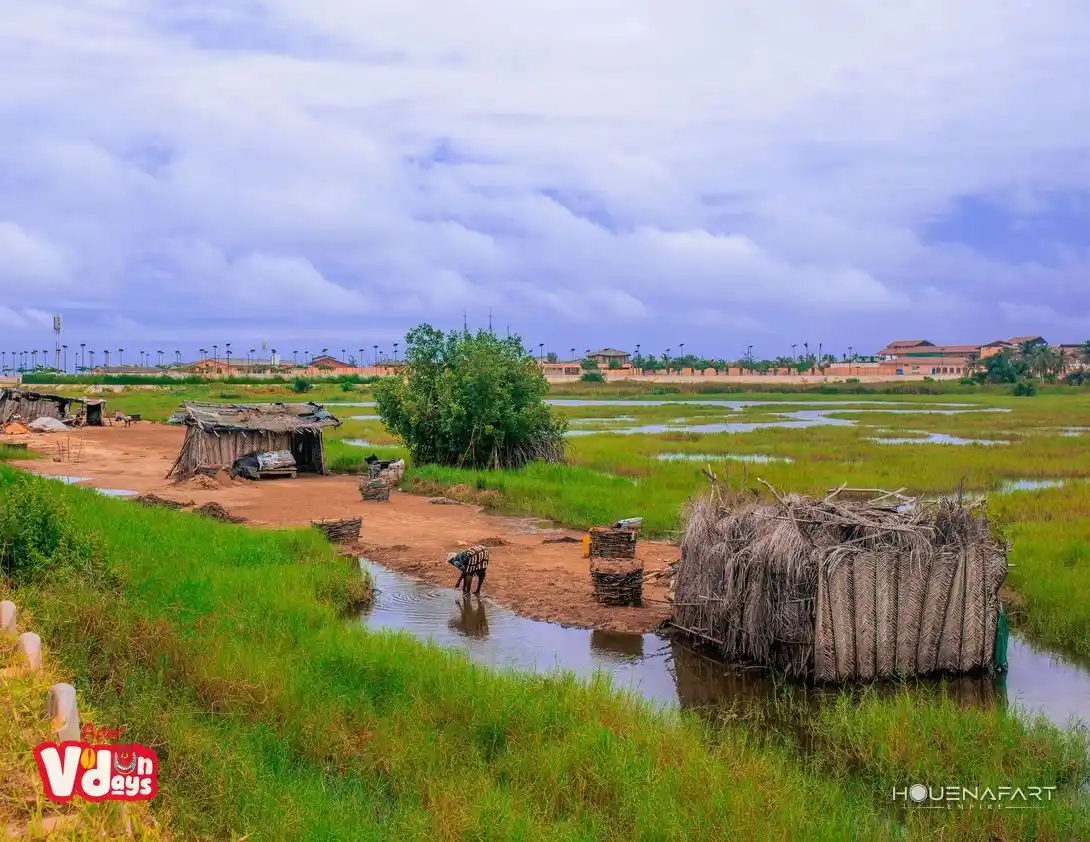
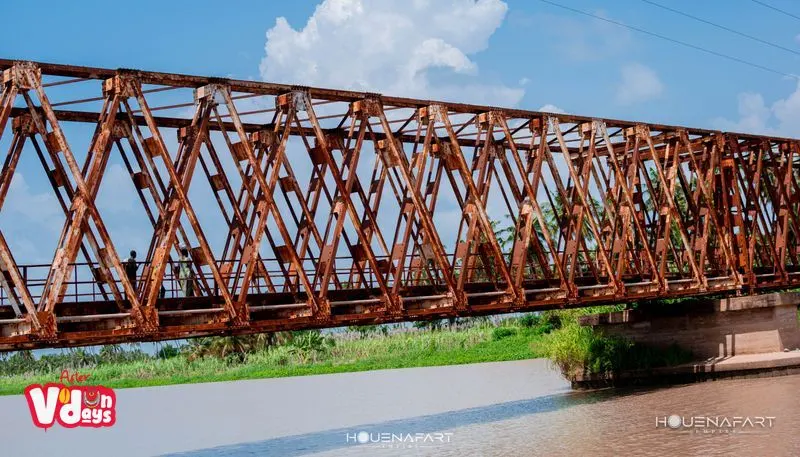
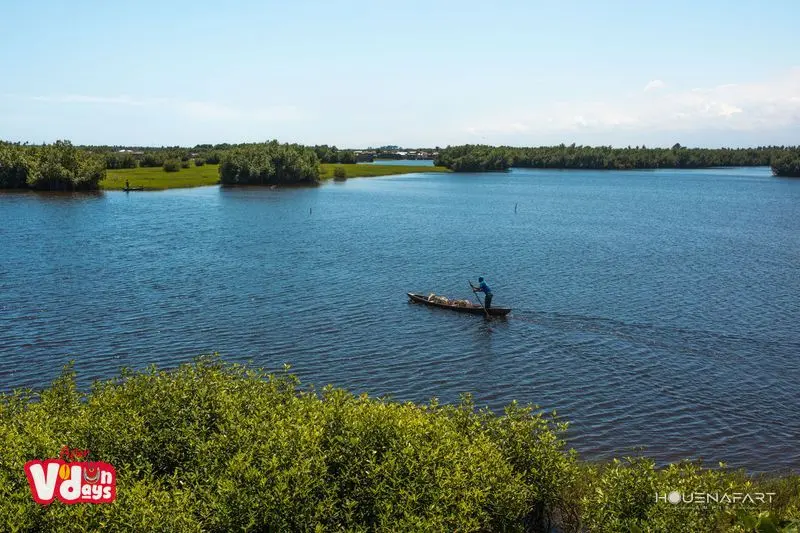
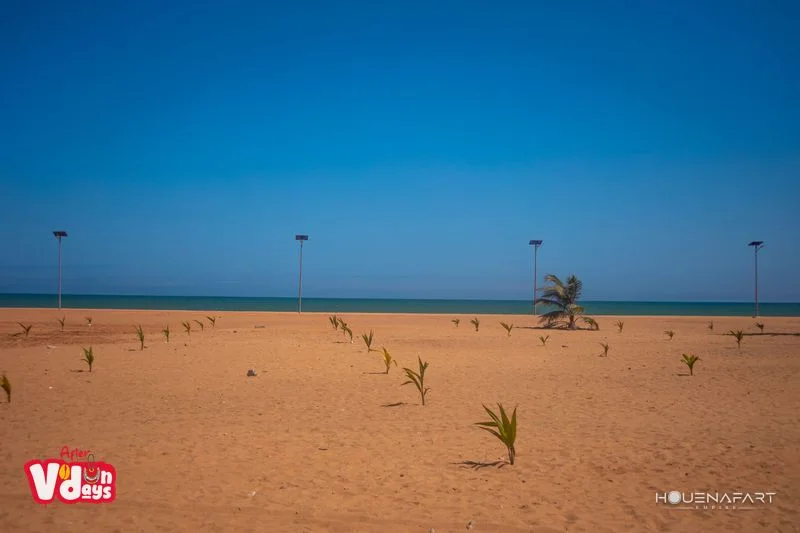
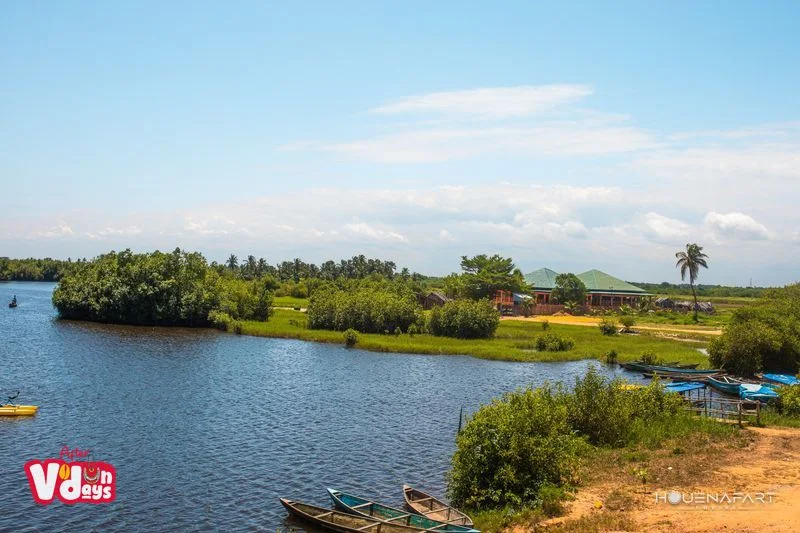
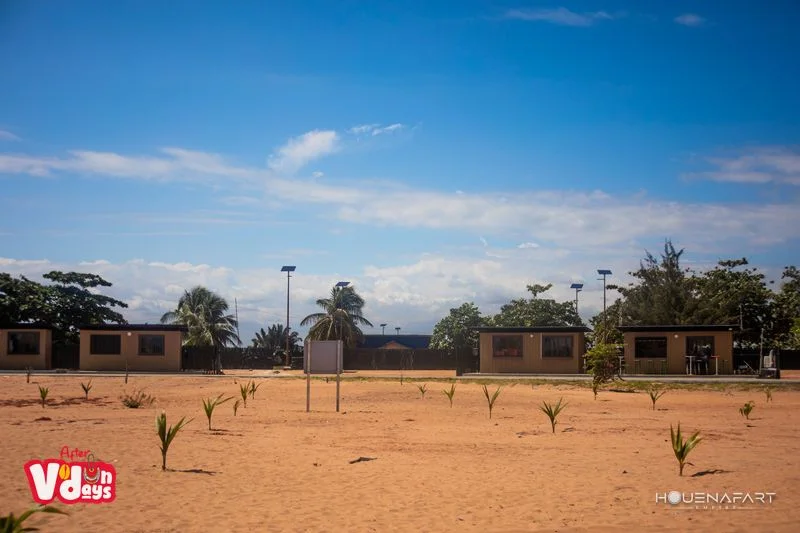
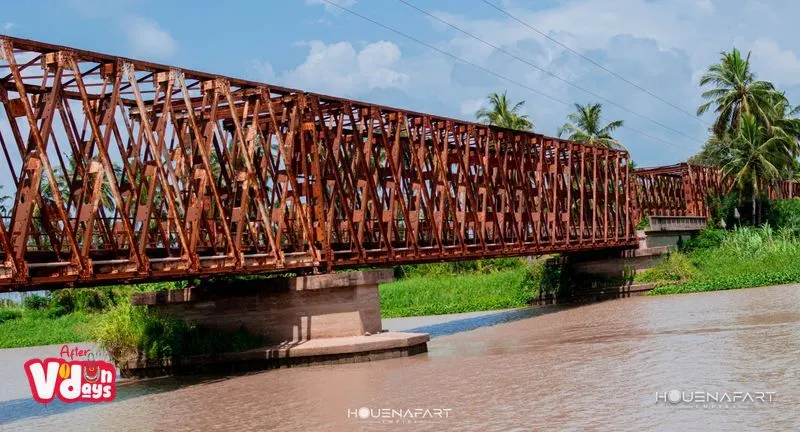
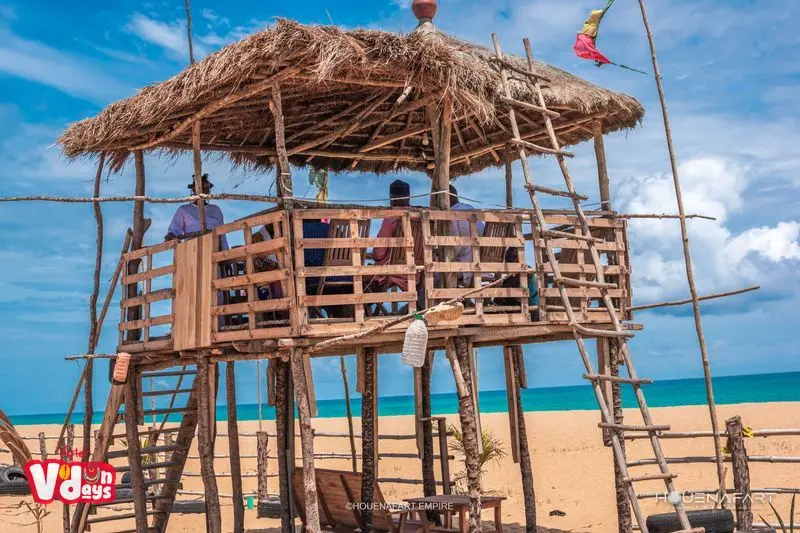
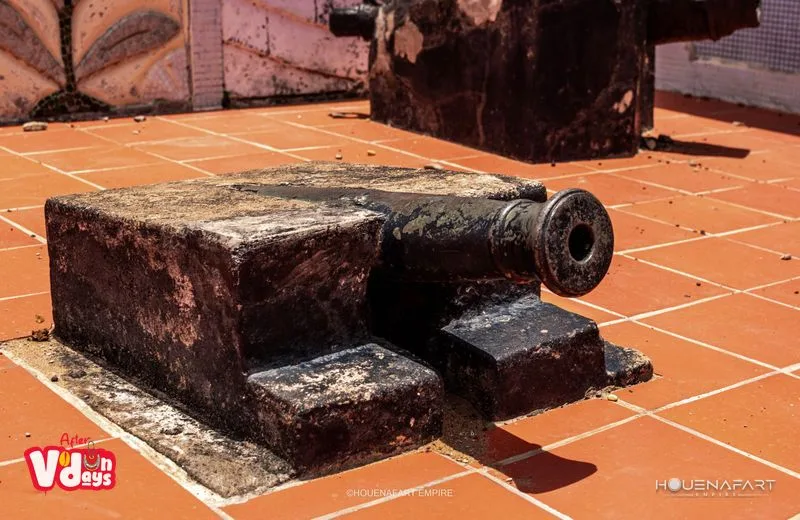
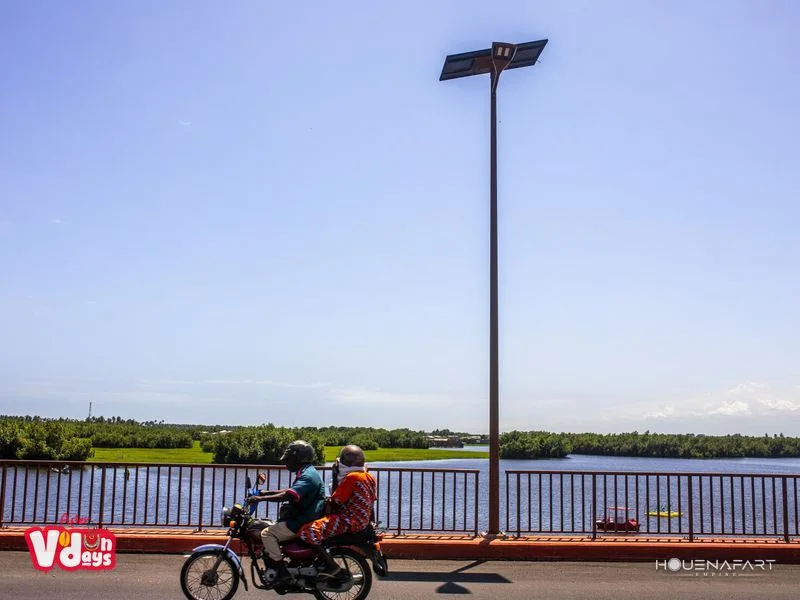
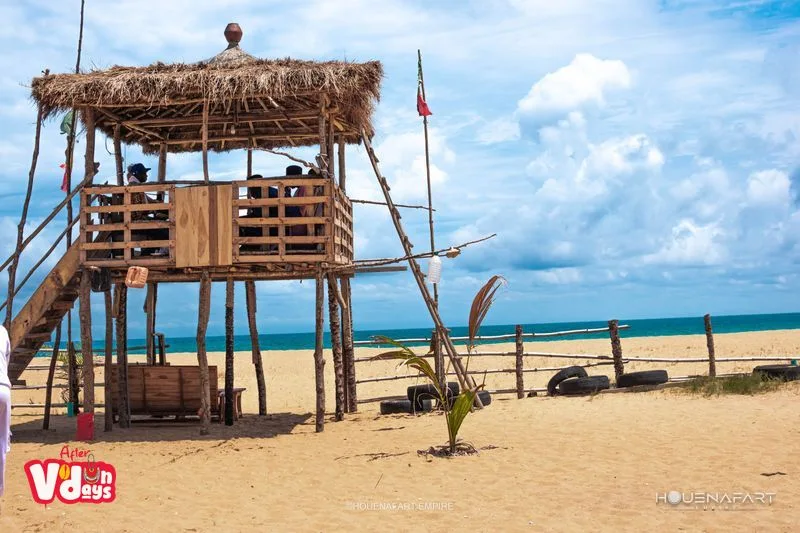
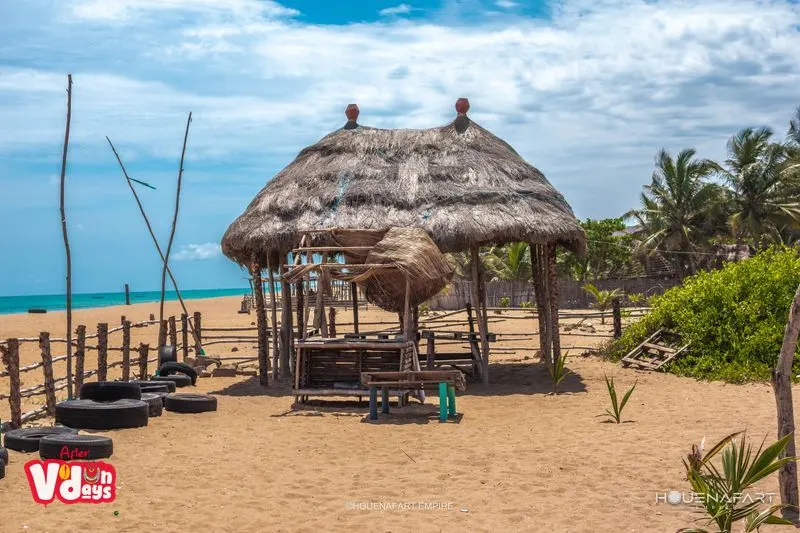
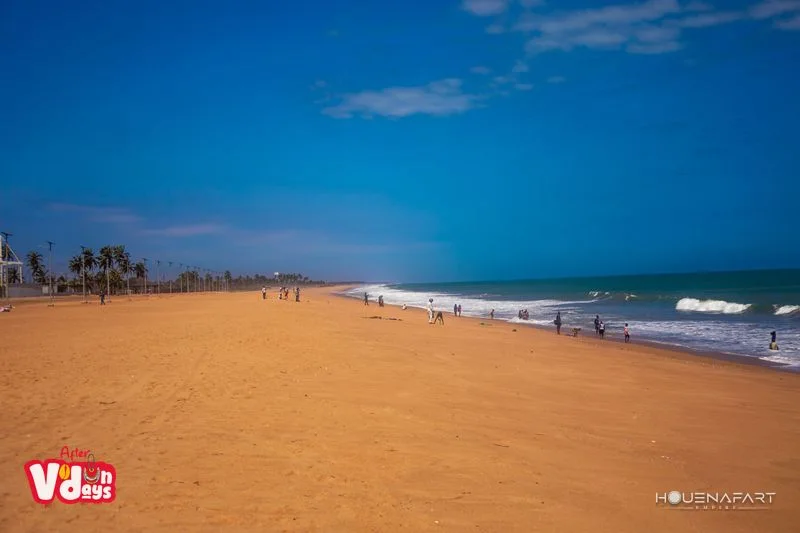
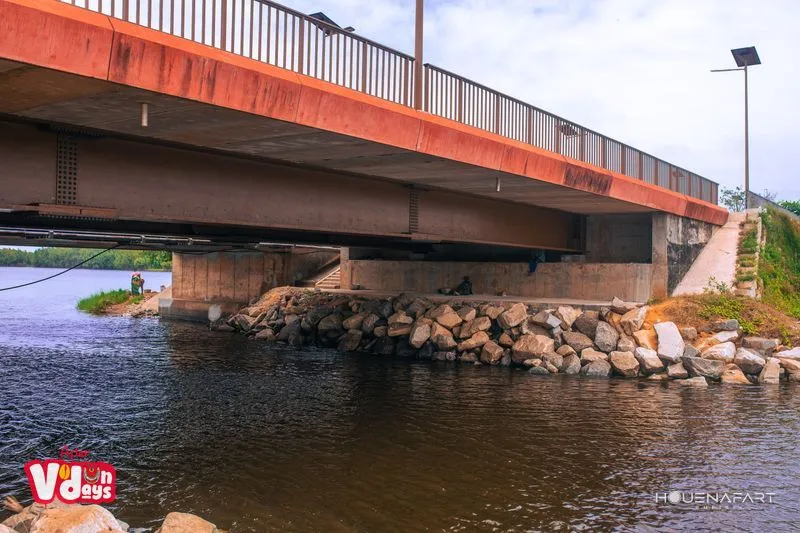
Grand-Popo. Benin's westernmost town, on the border with Togo. Vast beaches, a quiet lagoon, an atmosphere from before mass tourism. And one of the most singular salt-producing terroirs in West Africa.
Grand-Popo salt is an artisanal salt produced by women according to methods passed down from generation to generation for several centuries. It is not refined. It is not bleached. It retains its natural minerals, its micro-algae, its complex marine aromas.
The few chefs who have discovered it, usually during a personal trip to Benin, speak of it with the same intensity as of Guérande salt or Himalayan pink salt. With one difference: Grand-Popo salt is not yet on the radar of international gourmet importers. That is both a gap and an opportunity.
The Technique of the Women Producers
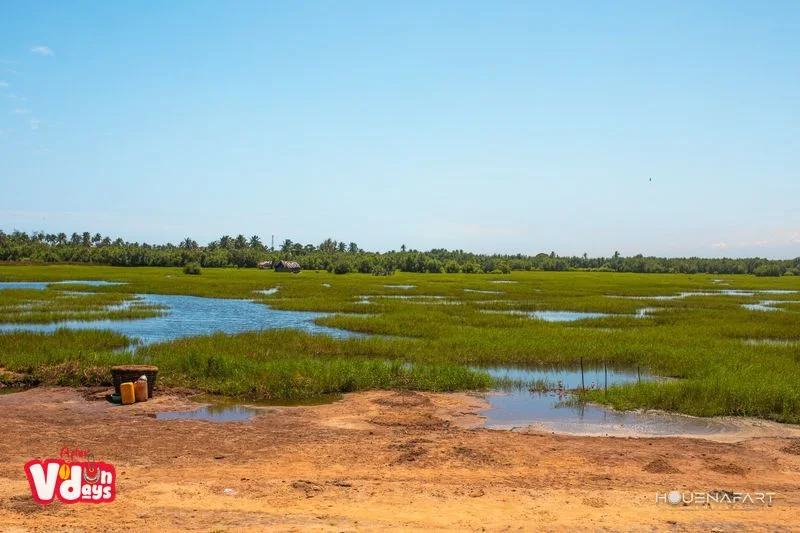
Production begins before dawn. The women producers, the salt-makers, harvest the brine in specific wetland areas of the lagoon, where the salt concentration reaches its seasonal peak.
Evaporation happens in two stages: in large terracotta basins under the midday sun, then over a low flame for several hours. This double-cooking process creates a particular crystallization that gives Grand-Popo salt its flaky texture and aromatic complexity.
Each producer has her own variations, temperatures, durations, blends of sources. As with terroir wines, Grand-Popo salt varies from one producer to another with nuances that only a trained palate can detect, but that every palate feels.
Beninese Cuisine: Far Beyond the Clichés
Grand-Popo salt is only an entry point into a much broader subject: Beninese cuisine, long underestimated, long absent from international conversations about great African cooking.
Ouidah and its region concentrate exceptional products: unrefined red palm oil from the lagoon villages, smoked fish from artisanal fishing, cassava gari prepared according to methods that vary from village to village, local chilies with aromatic profiles absent from any Western culinary database.
Within After Vodundays, the culinary experience is integrated into the immersion. Participants eat with host families, not in restaurants designed for foreigners. They learn to cook amiwo, akassa, sauce graine. They go to the market with family members. It is a cuisine lived, not presented.
Concrete community impact: the host families who receive participants get direct compensation, with no middleman. The Grand-Popo salt producers visited during the excursion sell their production to participants at the local market price, not a “tourist” price. The fishermen, the cooks, the local guides that ONG Wa Afriki mobilizes all belong to the communities of Ouidah and Grand-Popo. They are paid directly, with no middleman. That is what “committed cuisine” concretely means.
The Grand-Popo Excursion: A Day Out of Time
The Grand-Popo excursion is offered within the After Vodundays program for participants who wish to venture beyond the Ouidah perimeter. One day, 100 km round trip, a world apart.
On the program: a morning visit to active salt marshes (with the producers, not as an outside observer), a fresh fish lunch on the beach at a family restaurant with no tourist signage, a swim on a beach not yet turned into a resort.
Grand-Popo is what seasoned travelers desperately seek in an increasingly homogenized world: a place not yet prepared for them. Authentic by default, not by construction. ONG Wa Afriki maintains a network of contacts there that guarantees that this authenticity is lived in the best conditions.
Grand-Popo, Ouidah, the lagoon: 365 days of possible access.
The Grand-Popo excursion is included in some After Vodundays programs. It can also be arranged within the Circuit 365, year-round access to Ouidah and its region.