Vodun is not a spectacle. What happens in Ouidah, in its inner courtyards, on its beaches at sunset, in its nocturnal ceremonies, is not staged for visitors. It is alive. It is real. And access is a matter of relationship, not a matter of a ticket.
ONG Wa Afriki, founded by Bertian under the authority of DAAGBO HOUNON HOUNA 1, has built on the ground a network of trust with the guardians of these traditions. It is this network, and this network alone, that allows After Vodundays participants to attend ceremonies that conventional tourist circuits never reach.
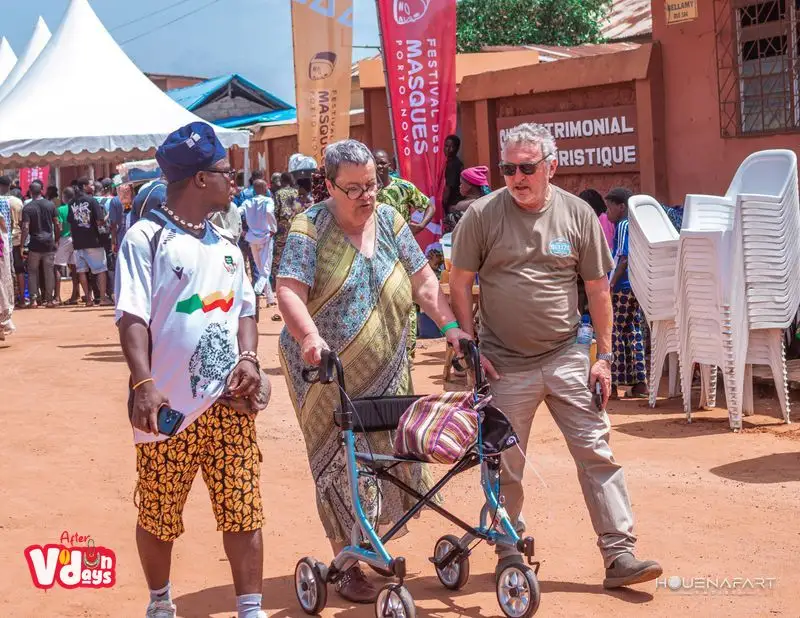
Here are three of the most powerful manifestations of the living Vodun tradition in Ouidah. Three experiences you will not see from a bus. And if you are in Benin this summer: the masks also come out at the Festival of Masks in Porto-Novo, July 25-26, 2026.
The Guardians of the Night
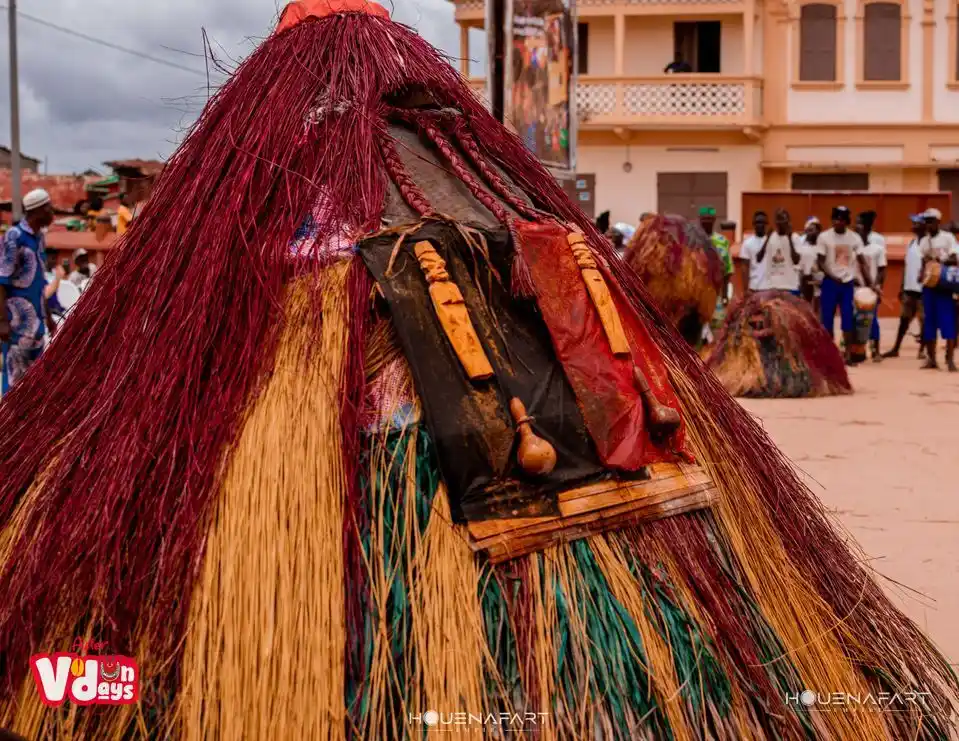
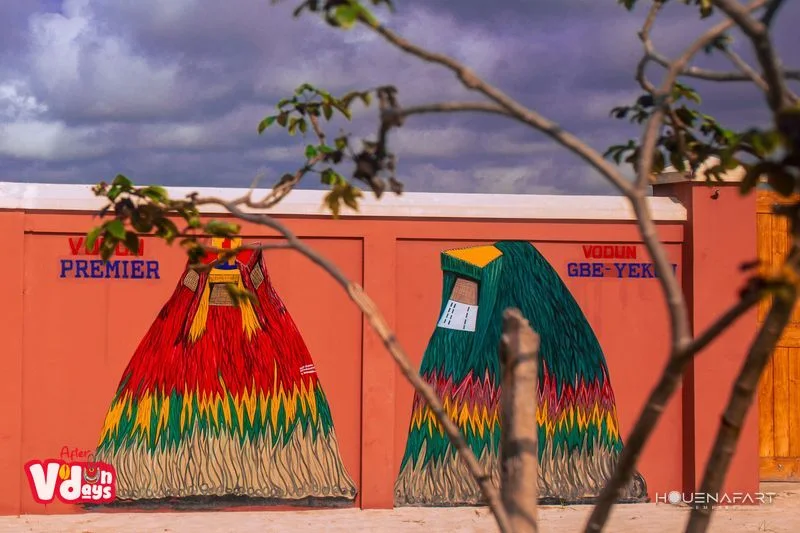
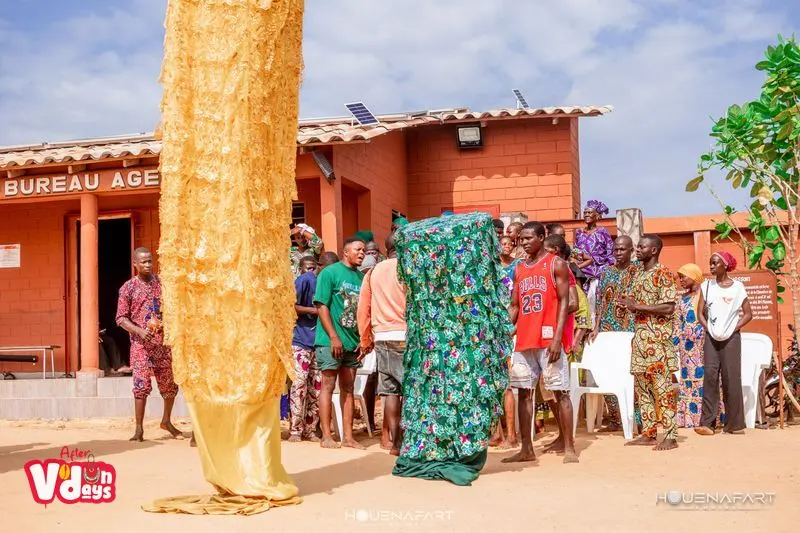
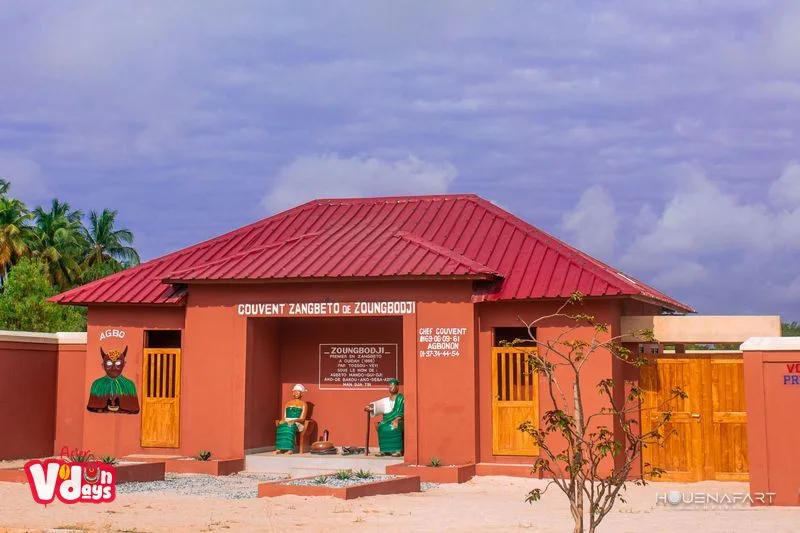
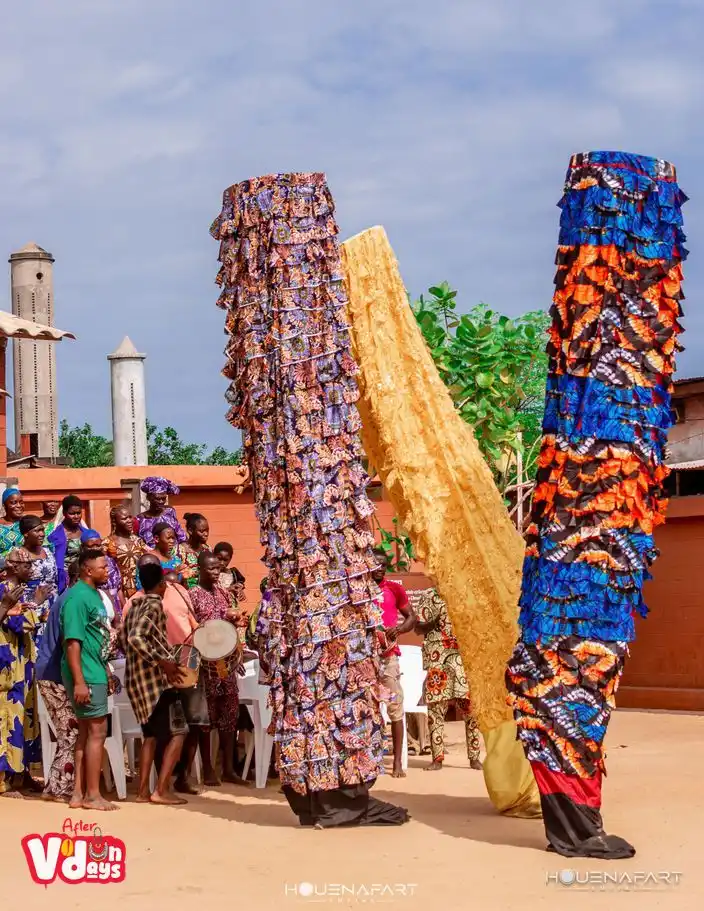
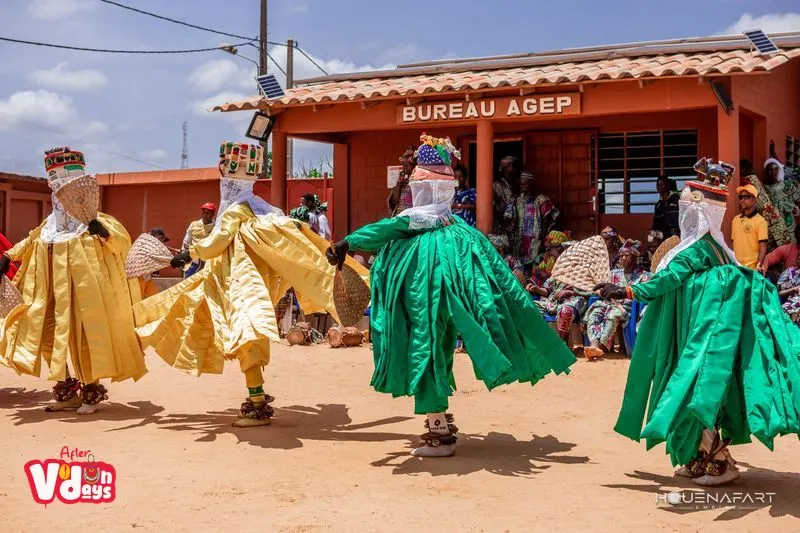
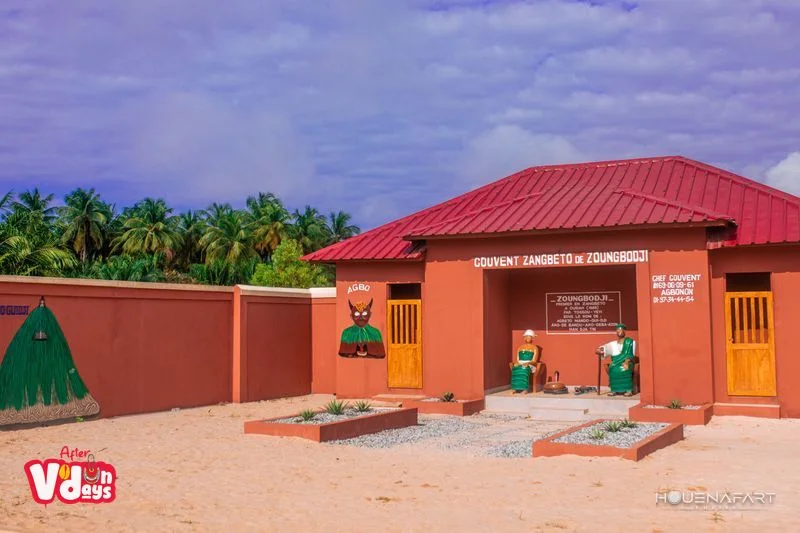
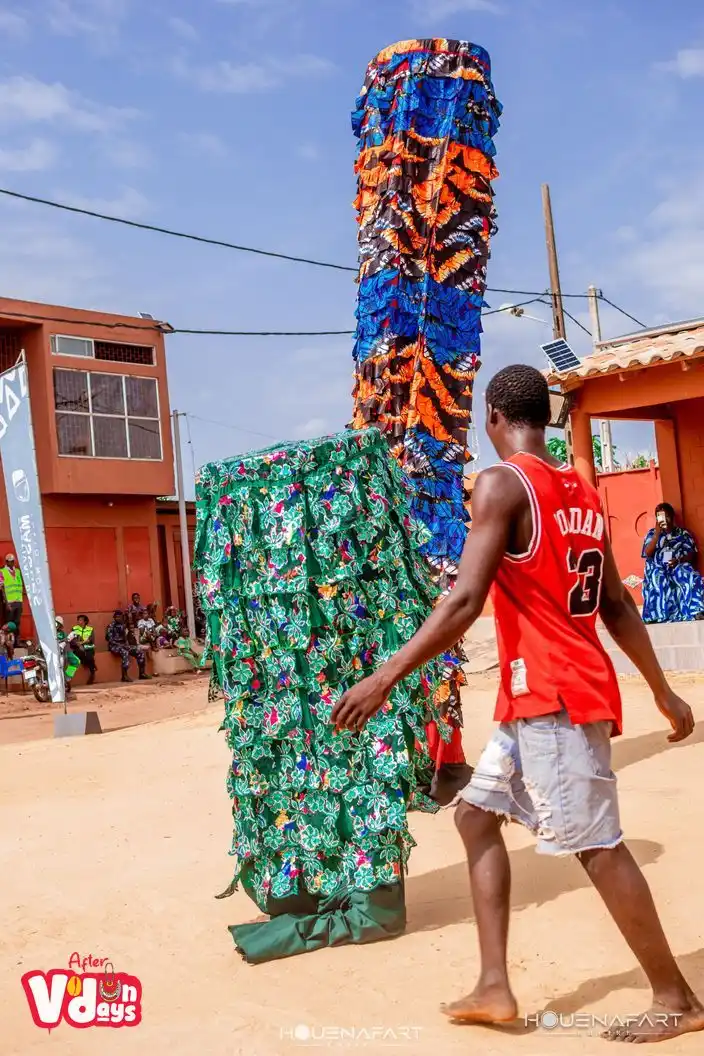
Zangbeto
Traditional orders maintaining social peace in Ouidah. Their nocturnal appearances, whirlwinds of straw and cloth, are at once sacred spectacle and institution of governance. Their presence signals that the order of the ancestors watches over. No travel agency can arrange a meeting with them, ONG Wa Afriki can.
The Masks of the Ancestors
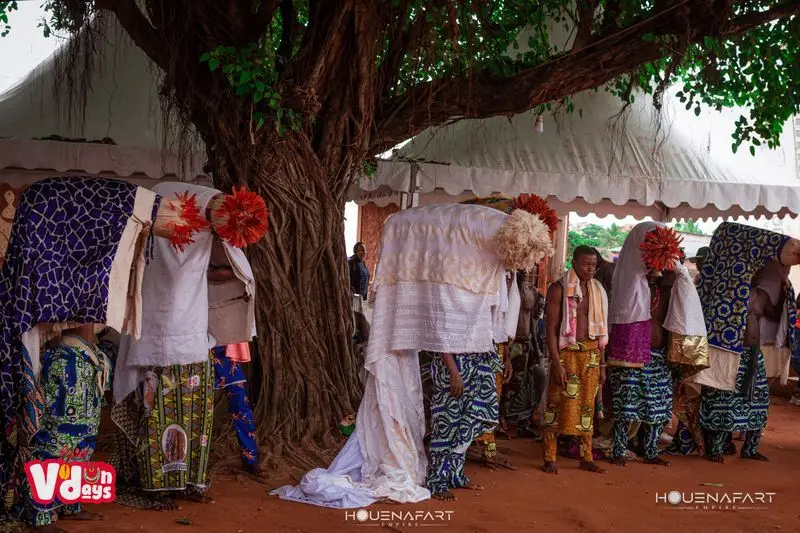
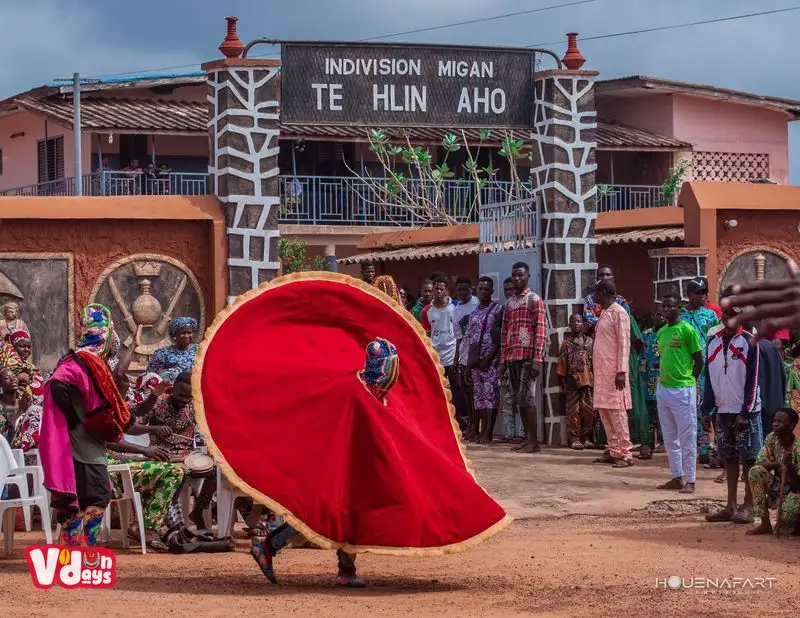
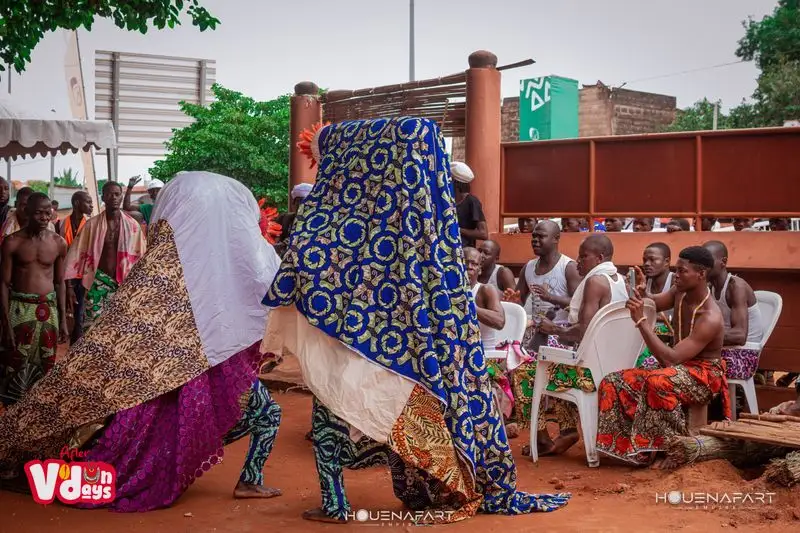
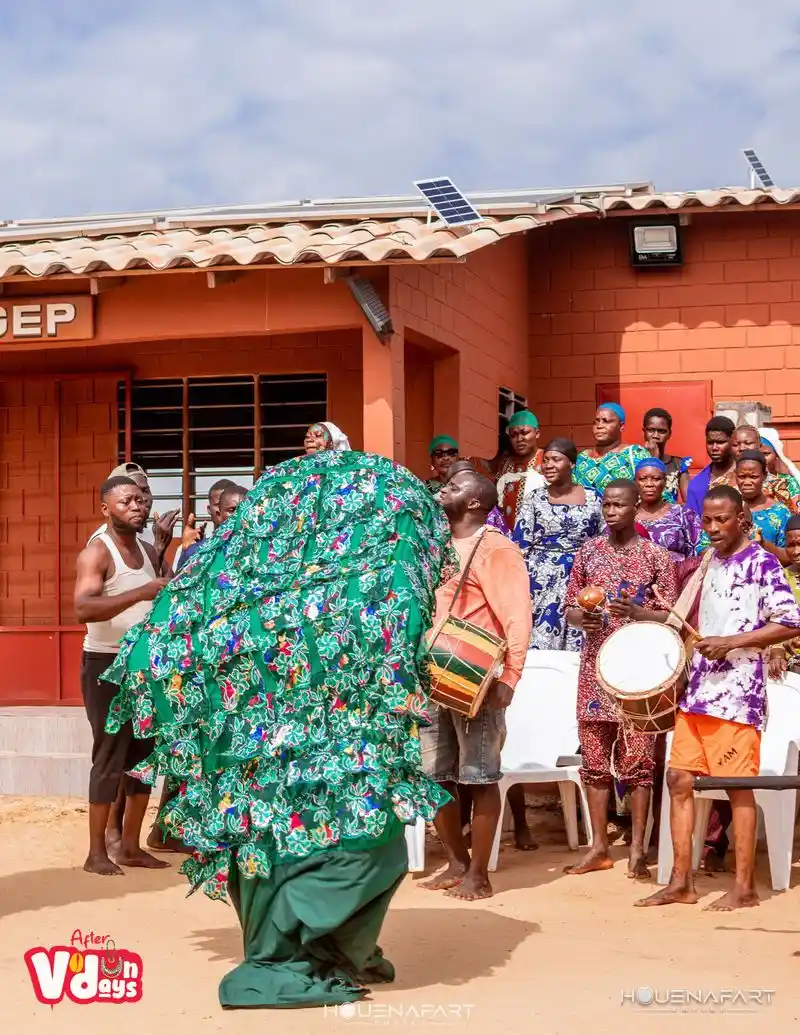
Egungun
The Egungun are the ancestors who return to the world of the living to pass on wisdom, judgment and blessings. Their ceremonies, intense and rigorously codified, are among the most powerful experiences Ouidah offers. They are not visited, they are lived, with the disposition it demands.
The Deity of the Waters
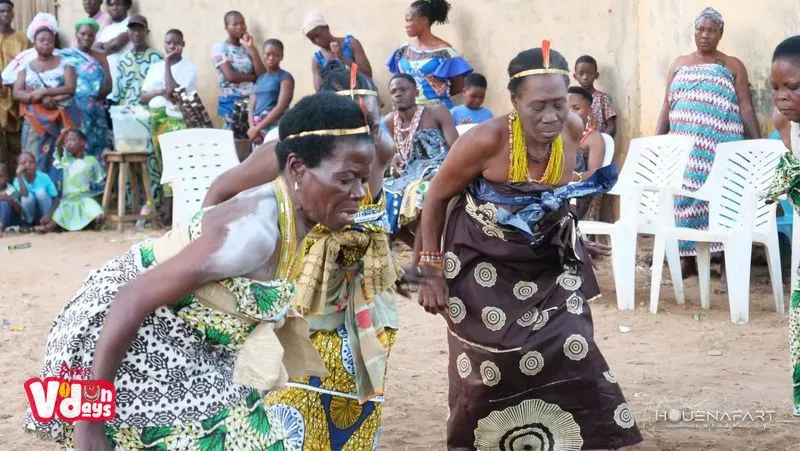
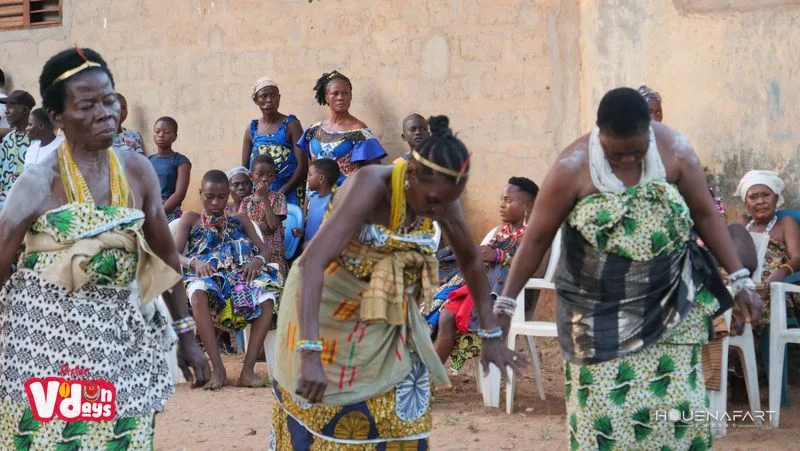
Mami Wata
A sovereign feminine presence in the Vodun tradition, deity of the waters, of prosperity and beauty. Her cult is pan-African: from Benin to Cameroon, to Nigeria, to Trinidad. In Ouidah, the ceremonies held in her honor on the lagoon carry a beauty beyond anything one can prepare to see.
Why Folklorization Is the Enemy of Understanding
In Ouidah, as in any city with tourist potential, there exist reenactments made for passing groups. Timed “Vodun ceremonies”, calibrated to run no more than 45 minutes, with folklorized music and dancers in costume. That is spectacle.
After Vodundays does not do that. Deliberately. Not out of snobbery, but because spectacle and tradition do not produce the same effect. One entertains. The other transforms.
What transforms is being present at something that is not made for you, and being welcomed anyway. It is the difference between watching a wedding ceremony as a tourist and being invited to it as a close family member. The same room, the same rites, a fundamentally different experience.
The Protocol of Respect
Attending Ouidah's sacred ceremonies is not a right granted by a ticket. It is an invitation granted by the guardians of tradition, within a relationship of mutual respect.
Within After Vodundays, participants are prepared for this reality. Before each ceremony, a member of ONG Wa Afriki explains the context, the codes of conduct, what is permitted and what is not. Photography is not systematically allowed, certain moments are not captured, they are lived and carried within.
It is this posture, of respect, not consumption, that makes the experience authentic. And it is this that the guardians of tradition have agreed to recognize in ONG Wa Afriki. It is not negotiable. It is the condition of access.
Direct, measurable impact: the guardians of tradition who open their ceremonies to After Vodundays participants are paid according to their own rates, never marked down, never negotiated. The families who host the Zangbeto, the Egungun orders, the priestesses of Mami Wata receive a direct contribution from each edition, with no middleman, at their own rates. This is why the guardians remain, and this is why no competitor can reproduce this access, even with an unlimited budget.
The access exists. It is rare. It is built through small teams, ten people in Standard, five in VIP, never en masse.
No travel agency can organize what you will read in our participants' testimonials. ONG Wa Afriki's network of trust has no price. It has one condition: being there.