Ouidah · Benin · UNESCO Heritage · Memory of the Atlantic
The Slave Route.
The path no one
chose to take.
From the city of Ouidah to the Door of No Return: 4 km of memory. The path hundreds of thousands of men walked in chains before being shipped to the Americas.
300+
years of the slave trade along the Ouidah coast
1M+
captives shipped from Ouidah to the Americas
4 km
the length of the UNESCO-listed Slave Route
What this path means
to those who come to walk it.
The Slave Route is not a museum. It is not a tourist attraction. It is a real path, in a real city, where the descendants of the families who organized, endured and survived the slave trade live today.
For travelers of the African diaspora, Haitians, Brazilians, Americans, Caribbeans, walking this path is one of the most intense acts of their entire lives. Many cry at the Door of No Return. It is the normal response of a human being facing the truth of their history.
Km 0 · Memory · Atlantic
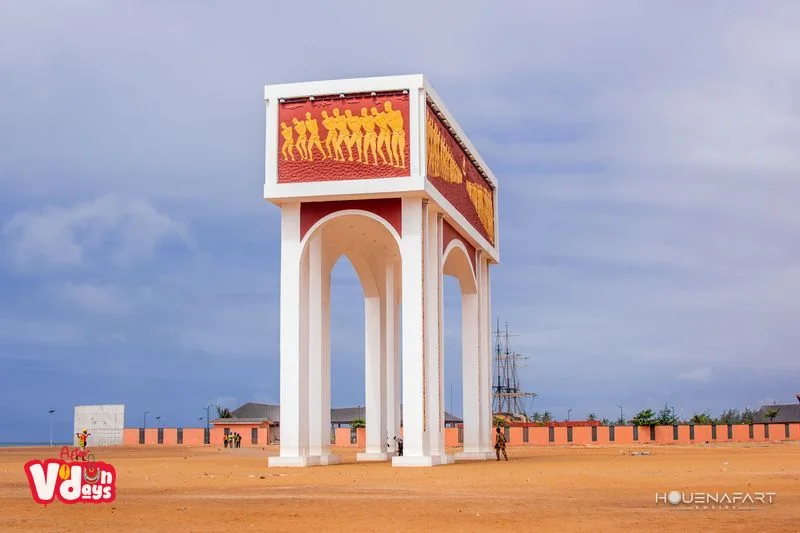
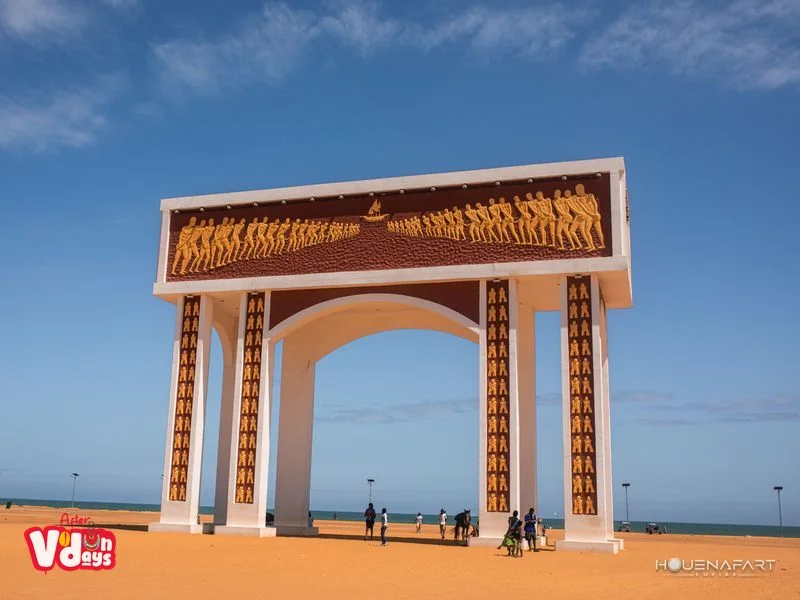
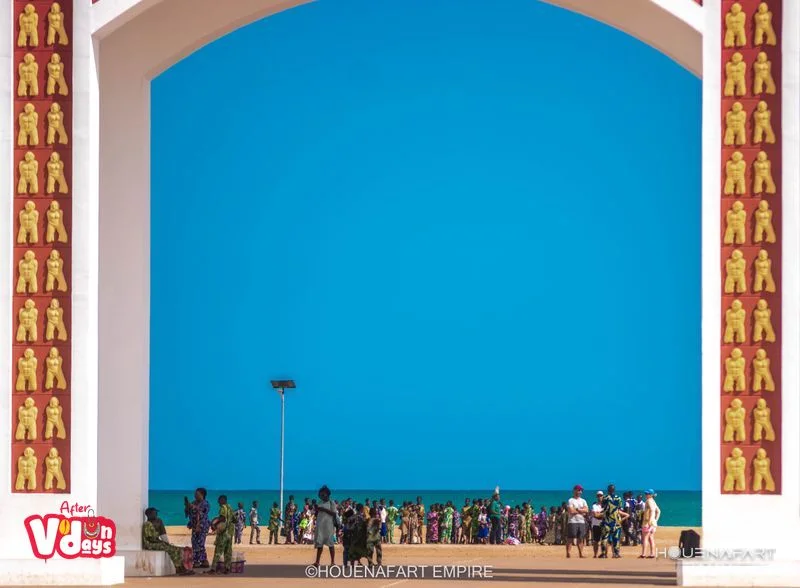
The Door of No Return
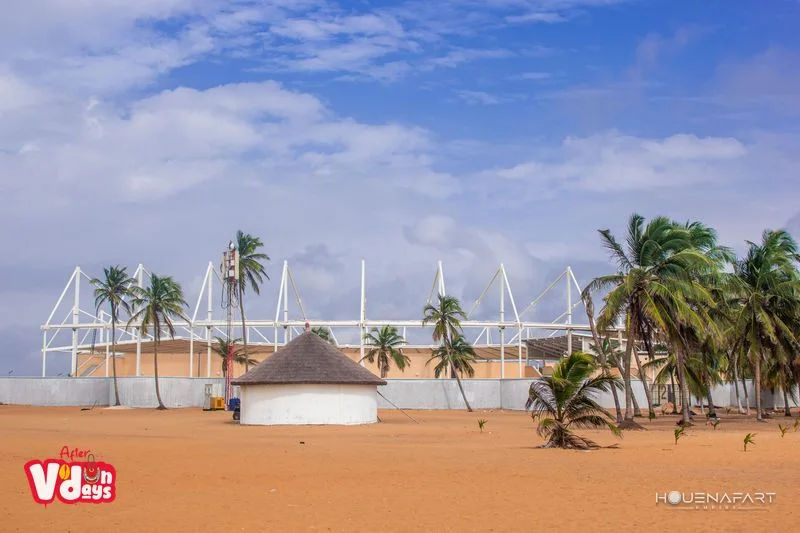
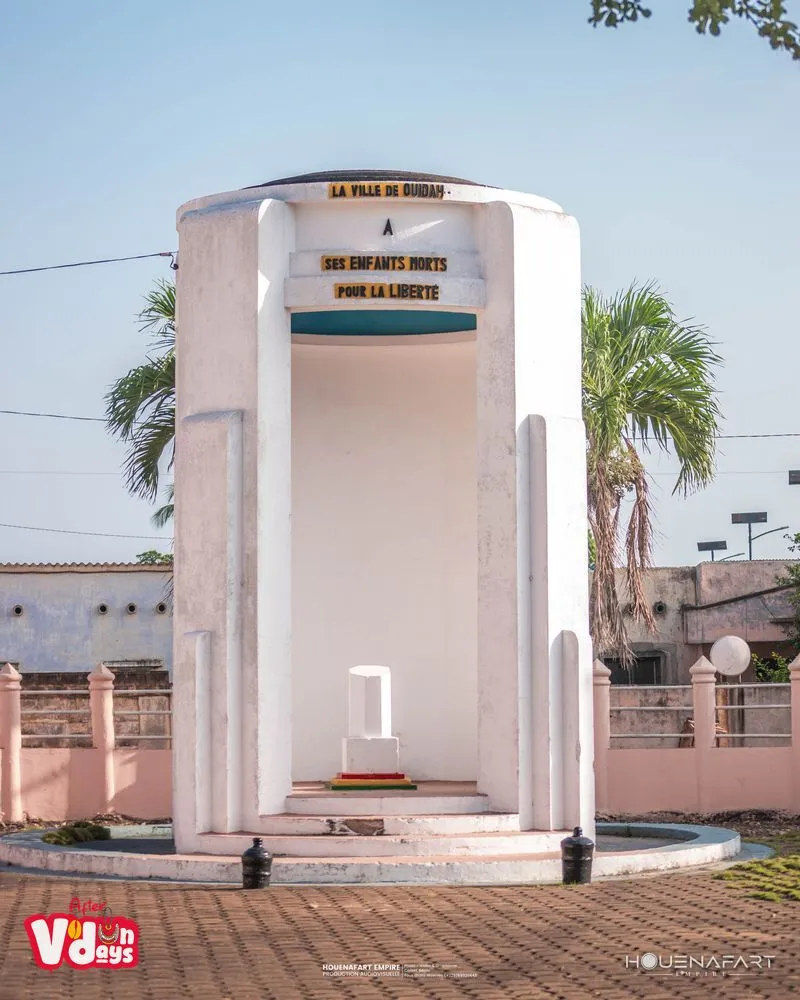
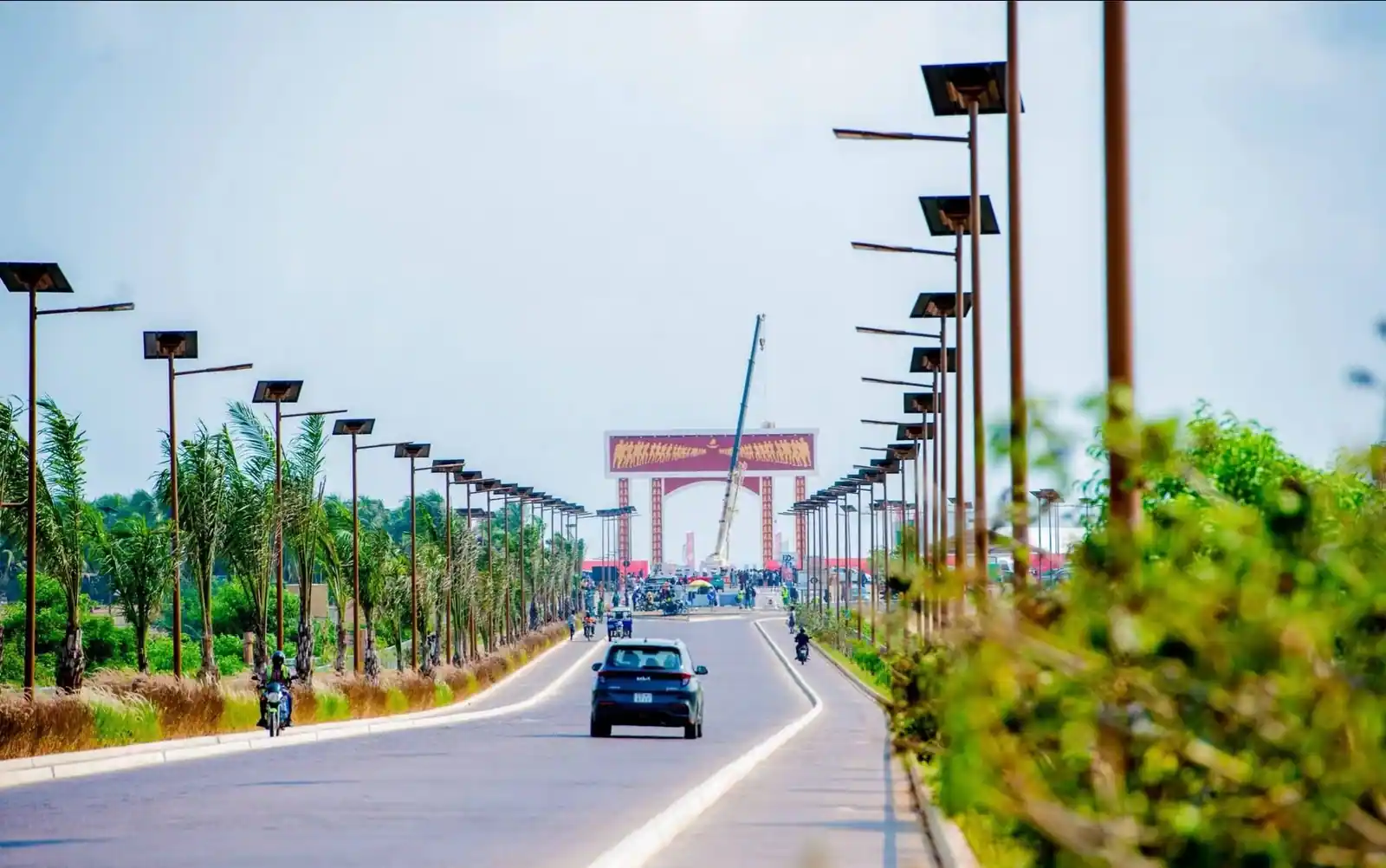
The Door of No Return is the monument erected at the exact spot where captives crossed Africa's threshold for the last time. It faces the Atlantic Ocean. Behind it: the path the enslaved walked. In front of it: the Americas, Haiti, Brazil. It is one of the most emotionally charged monuments on the entire African continent.
Historic path · Ouidah · UNESCO
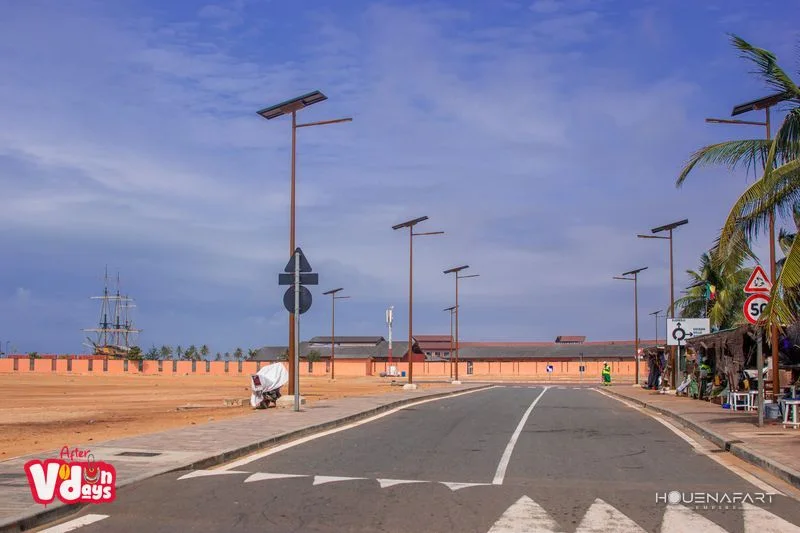
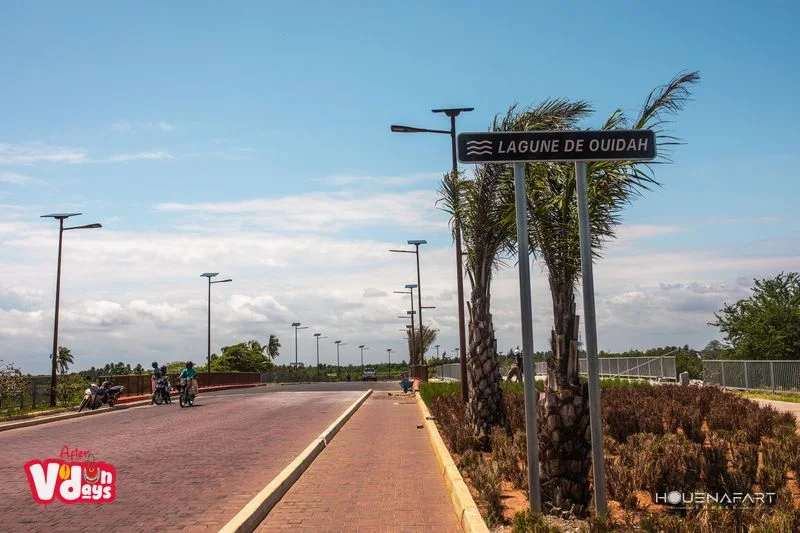
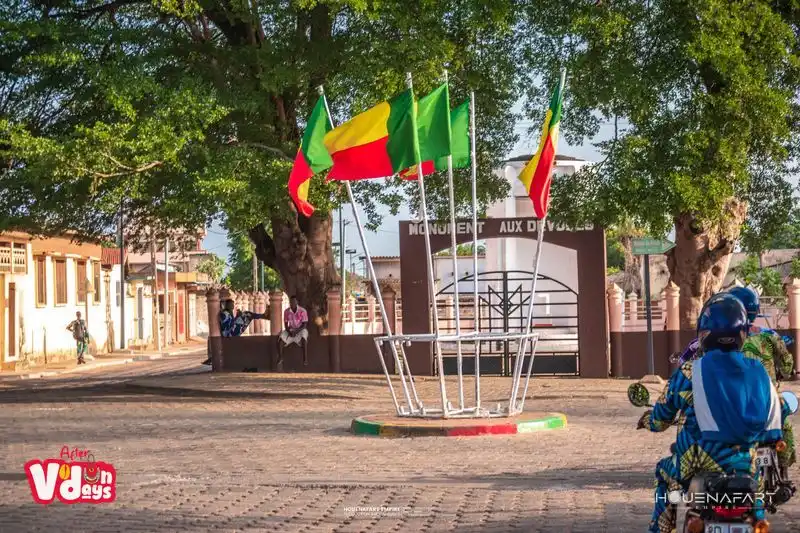
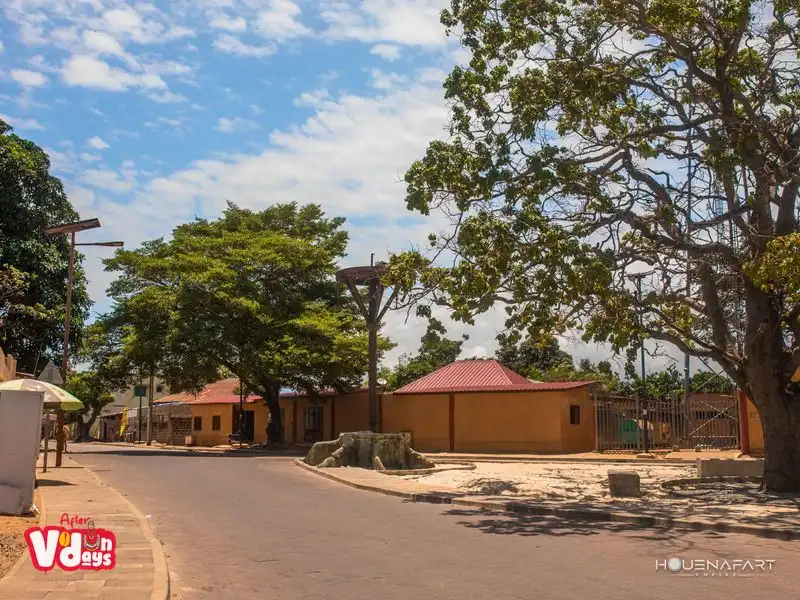
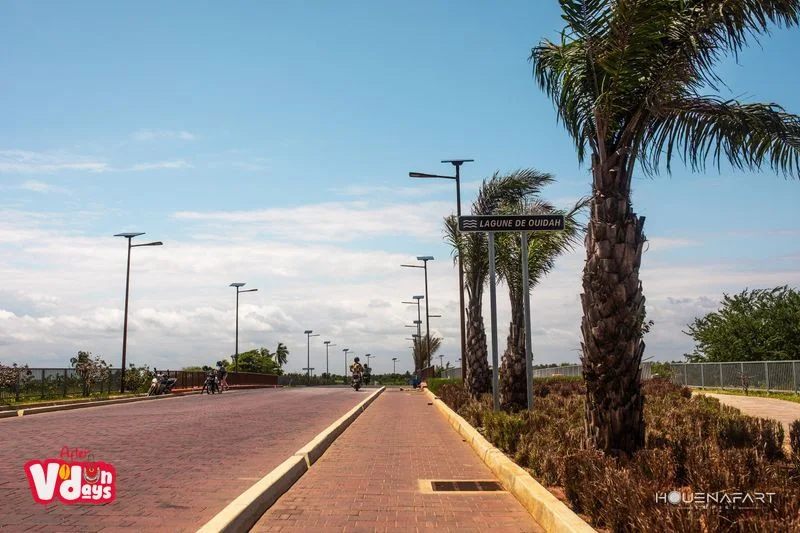
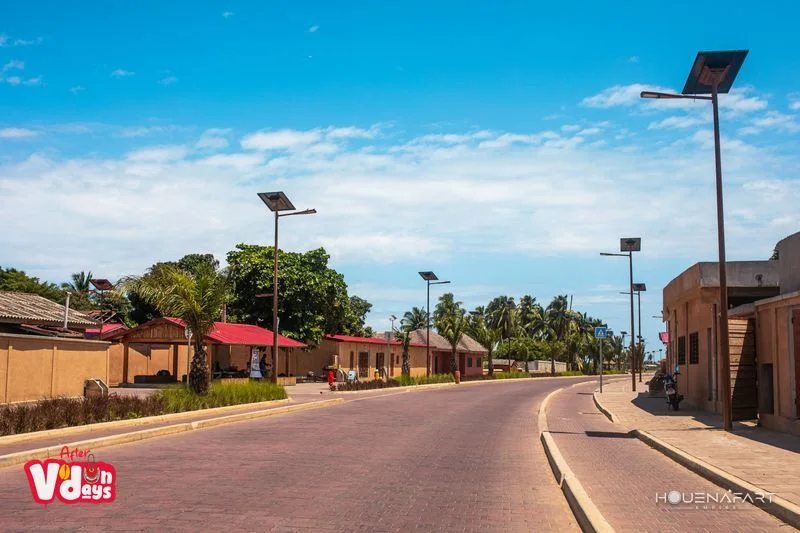
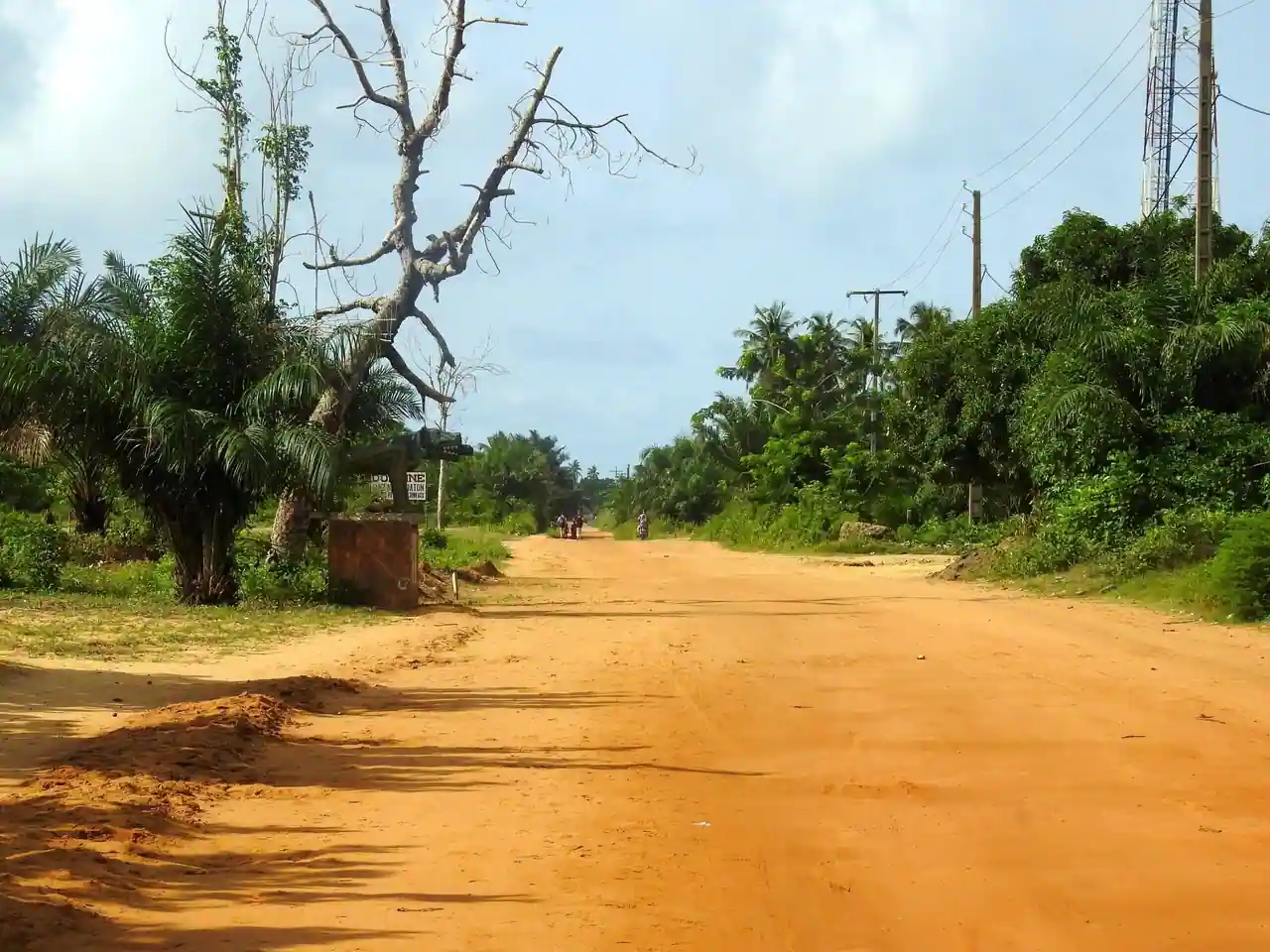
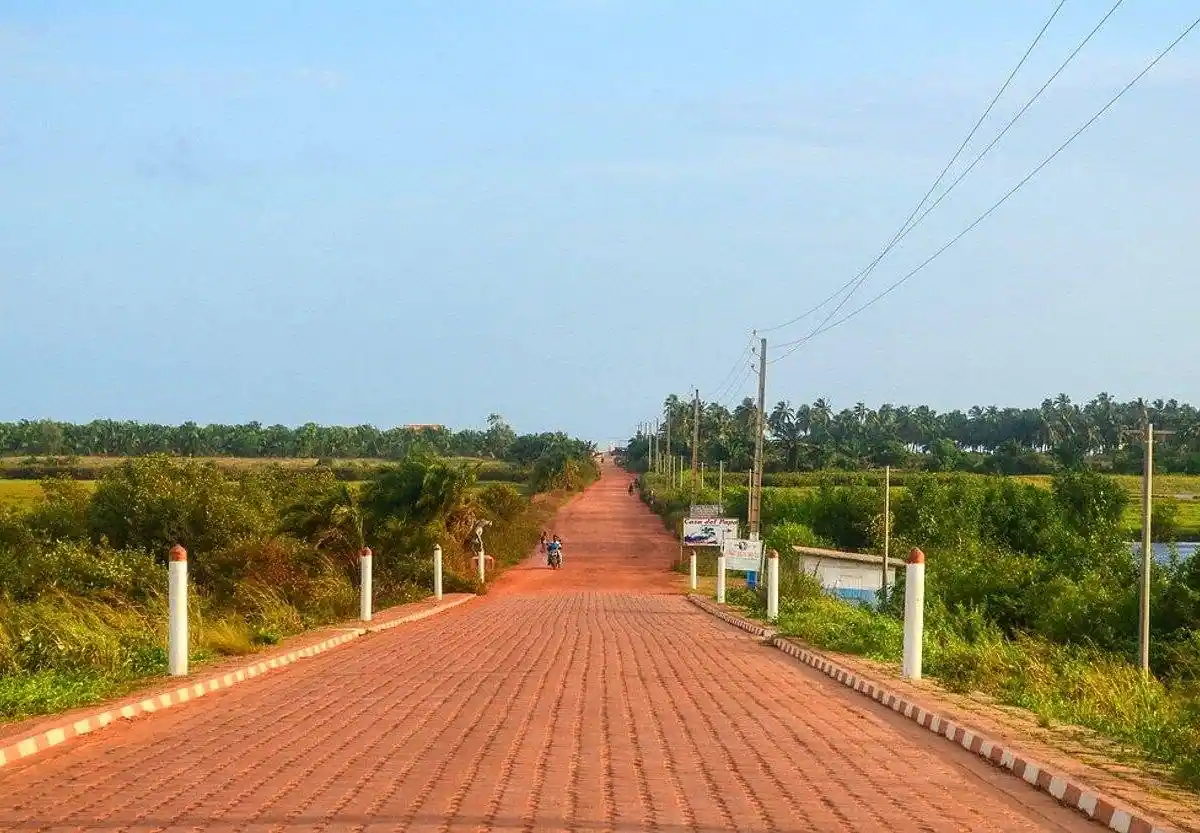
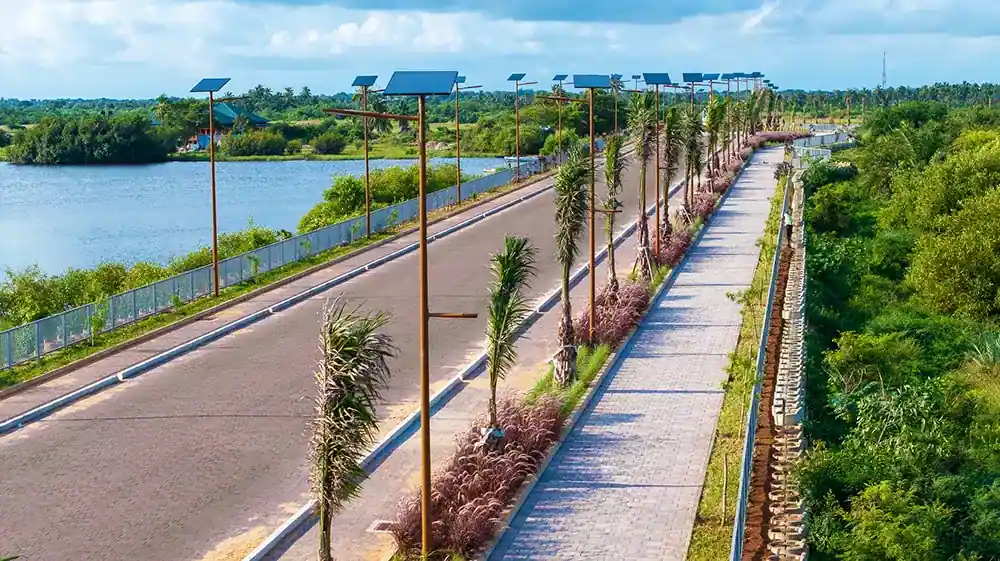
The Route, 4 km of living memory
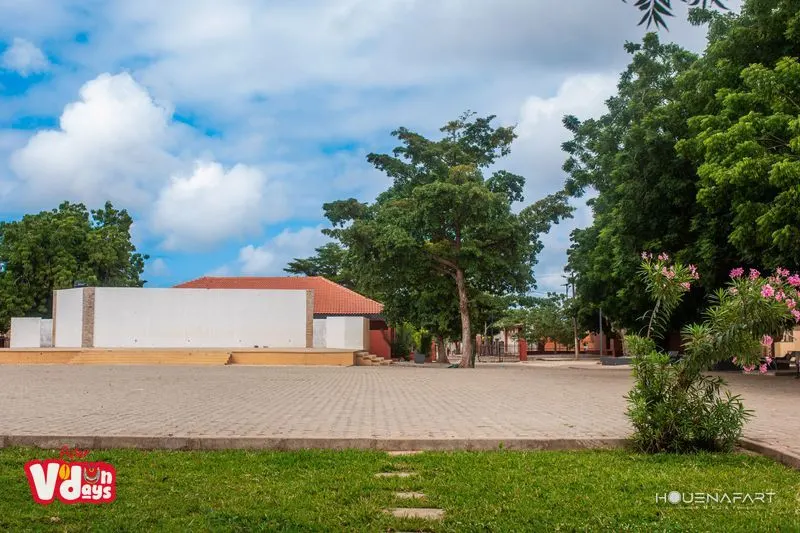
The Slave Route is the 4 km path captives walked in chains, from the city of Ouidah to the coast. The Tree of Forgetting (captives circled it to forget their identity). The Tree of Return (so their soul would return to Africa after death). Chacha Square. The Portuguese Fort.
Colonial architecture · Museum · 1721
The Portuguese Fort of Ouidah
Built by the Portuguese in 1721, this fort was one of the nerve centers of the slave trade on the Beninese coast. Long a history museum, now under renovation, it documented three centuries of triangular trade from Ouidah, the names of trading families, the figures, the shipping routes. Learn more about the Portuguese Fort.
Diaspora · Afro-Brazilians · Architecture
The Aguda Memory, the Brazilian Return
In the 19th century, freed former slaves crossed the Atlantic in the opposite direction, from Brazil to Ouidah. These Aguda families built houses in Brazilian colonial style, founded families, reintroduced carnival. Ouidah's architecture still carries the mark of this unique historic return.
Walk the Slave Route
with a guide from Ouidah.
The Slave Route is included in every After Vodundays program. It is not walked alone.