Photos : Wa LaB / After Vodundays
Regional extension · After Vodundays
Ghana
From Status to Soul
Cape Coast and Elmina carry the scars of the Atlantic slave trade. Ouidah carries the living memory. The complete circuit the African-American diaspora had been waiting for did not exist yet.
Ghana and Benin, two faces of the same heritage
Ghana is the country that launched the Year of Returninitiative in 2019, welcoming hundreds of thousands of African-American diaspora members for the 400th anniversary of the first slave ship's arrival in Virginia.
The castles of Cape Coast and Elmina are the most documented memorial sites of the Atlantic slave trade. Visiting these places means confronting history in its physical, architectural, irrefutable dimension.
But the story does not end at the castle gates. What Ghana names, Benin carries on, through Vodun, the ancestors, spiritual reconnection. Together, the two countries form a complete circuit.
The circuit in numbers
- •Flight Accra to Cotonou: ~1h15 (flights available)
- •Recommended duration Ghana: 4 to 5 days
- •Recommended duration Benin: 3 to 7 days
- •Primary audience: African-American, Caribbean, British diaspora
Step 1 · Ghana
Cape Coast and Elmina, The Gateway of History
Cape Coast Castle
Built by the Swedes in the 17th century, then passed into British hands, Cape Coast Castle was the main embarkation point for captives bound for the Americas. The basement still holds the dungeons where prisoners awaited the ships' departure.
The guided tour includes the dungeons, the Door of No Return and a permanent historical exhibition. UNESCO World Heritage Site since 1979.
Elmina Fort
Elmina is the oldest European-built structure in sub-Saharan Africa, dating to 1482. Elmina Castle was the first European trading post in sub-Saharan Africa, built by the Portuguese.
The town of Elmina itself is a destination in its own right: its canals, its fish market, its fishing communities, an authentic Ghanaian life, just minutes on foot from the memorials.
Step 2 · Ghana
Kumasi, The Ashanti Throne
Kumasi is the capital of the Ashanti kingdom, one of the most powerful and best documented African empires in West Africa. Ashanti tradition is alive: Kente cloth, gold jewelry, the sacred Golden Stool.
Unlike Cape Coast, Kumasi is not a memorial site. It is a living royal city, one that asserts its cultural power without the mediation of trauma.
It is the other face of Ghana: not historical suffering, but the civilizational power that endured.
Manhyia Palace
Official residence of the Asantehene, royal museum and history of the kingdom
Kente Weavers
Adanwomase workshops, watch Kente being woven on traditional looms
Kumasi Central Market
West Africa's largest open-air market
Ashanti Goldsmithing
Gold jewelry, artisans who have worked gold for centuries
Then: Ouidah
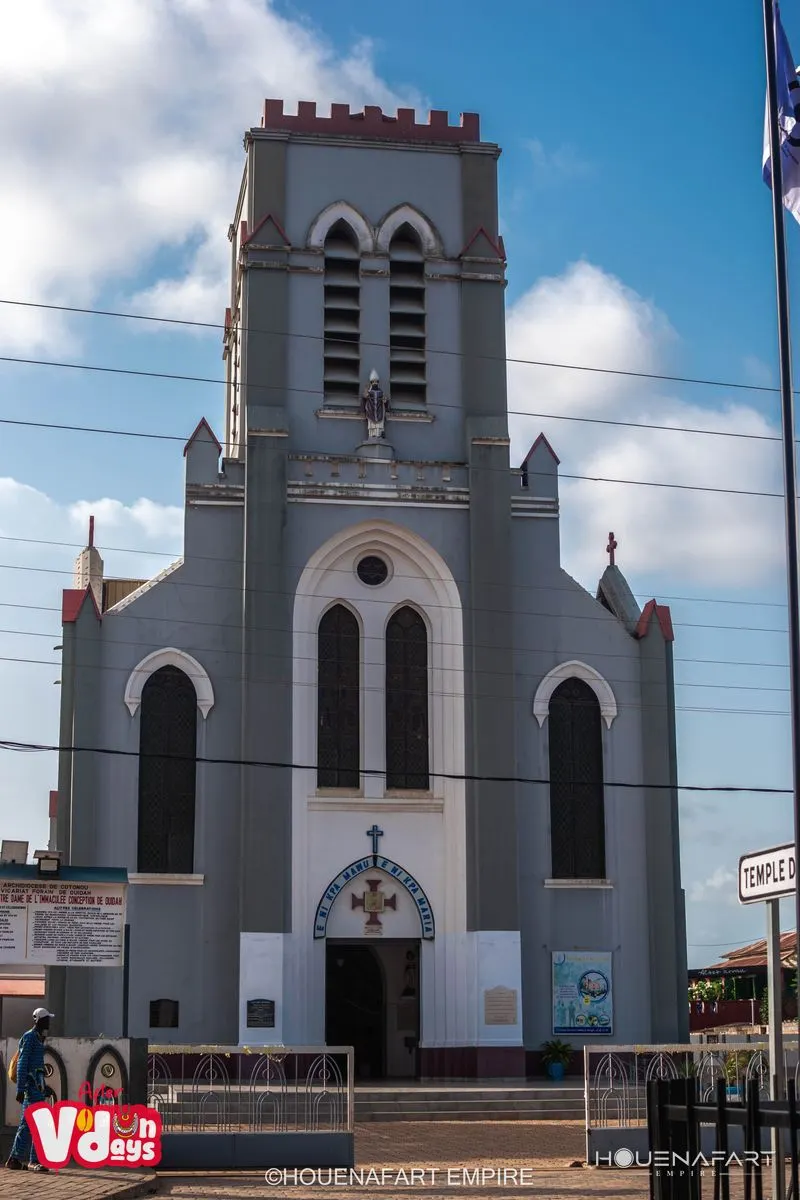
After Ghana, the Accra-Cotonou flight takes 1h15. In Ouidah, the After Vodundays program takes over. What history tore away, the ancestors, the language, the name, the spirituality, this is where it is found again. Not in a museum. In living practice.
The Slave Route
The same name as in Cape Coast. In Ouidah, it is the ships' departure point, the same story, seen from Africa.
Vodun Ceremony
An initiation, an ancestors' ceremony, a moment with the Vodunsi. What Ghana does not offer, the ritual lived with those who carry it.
The Connection Completed
Cape Coast names the rupture. Ouidah closes it. Together, the two make a journey that transforms, not just a journey that informs.
Build the Ghana-Benin circuit
Cape Coast · Elmina · Kumasi · Ouidah. ONG Wa Afriki coordinates both countries, lodging, transport, local guides, access to ceremonies. One single point of contact for the entire journey.