Haitian Diaspora · Ouidah, Benin · Return to Your Roots
Haiti kept Vodun alive.
Ouidah is its source.
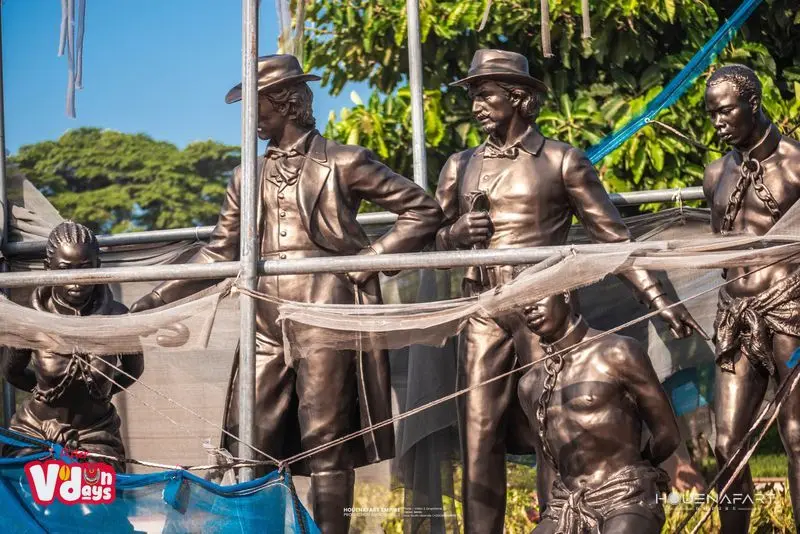
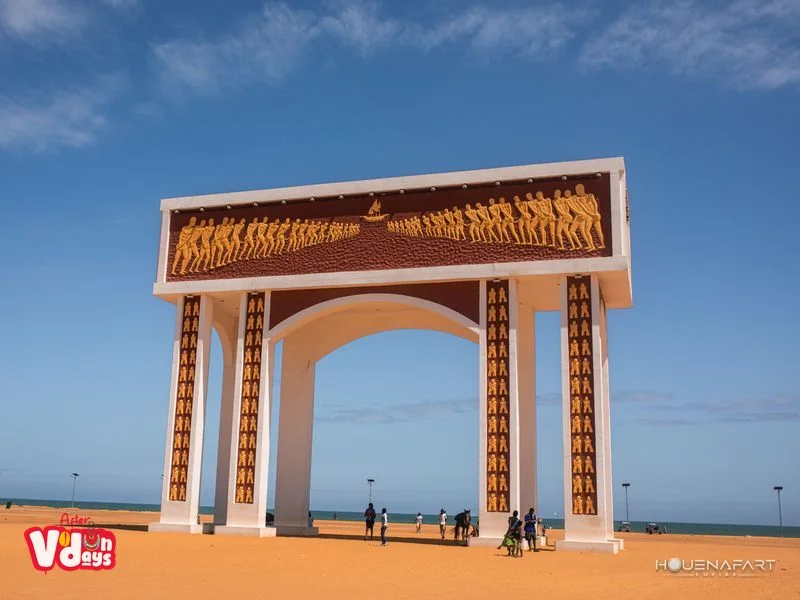
Haitian Vodou was not born in Haiti. It was born here, on this coast, in the villages of Benin, Togo, Nigeria. The enslaved carried it in their memory. Today, that memory can return to its source.
"Haitian Vodou survived slavery, colonization, massacres. It even survived the Revolution. That is proof of what Africa placed in the souls of its children before losing them."
After Vodundays · Wa Afriki
The bridges
Haiti and Ouidah.
Same memory. Two shores.
Haiti
Haitian Vodou
Ouidah
Beninese Vodun
These are not two separate religions. Haitian Vodou is Beninese Vodun, carried in the holds of slave ships, rebuilt in Saint-Domingue with extraordinary survival force. Legba, Ogou, Maman Brigitte, they crossed the Atlantic with you.
Haiti
The Lwa
Ouidah
The Vodun
The Lwa of Haitian Vodou are the Vodun of Benin. The names changed under colonial and Catholic pressure, but the entities, the rhythms, the rituals, the essence remain. In Ouidah, you will recognize them.
Haiti
The 1804 Revolution
Ouidah
Ancestral resistance
The first successful slave revolution in history drew its strength from Vodou. The Bois Caïman Ceremony in 1791, a Vodun ritual, triggered the uprising. Ouidah's spiritual force fueled Haitian freedom.
Questions from the Haitian diaspora
As a Haitian, am I really connected to Ouidah?
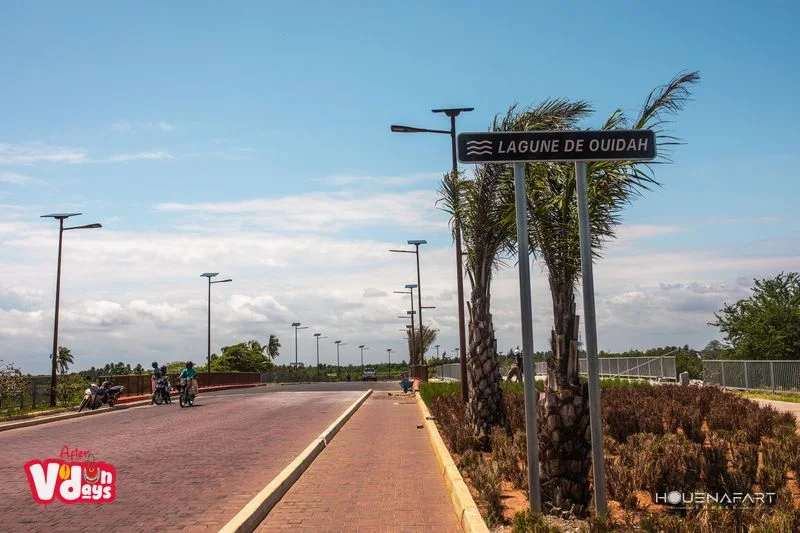
Ouidah was one of the main embarkation ports of the Atlantic slave trade. A large share of the Haitian population descends from Africans who passed through this coast. Linguists and historians have established direct correspondences between Fon (spoken in Benin) and Haitian Creole.
Will we honor Lwa I already know?
Some After Vodundays rituals involve Vodun that Haitians will recognize under their Lwa names. It is often a very powerful moment for Haitian participants, recognizing something familiar in a new context.
Are there other Haitians in the group?
Every After Vodundays edition brings together participants from the global African diaspora. Haitians take part regularly. Sharing experiences across the different branches of the diaspora is one of the richest parts of the experience.
Is the language barrier a problem?
After Vodundays runs mainly in French, with English support. Guides speaking Haitian Creole are available on request. Fon and Haitian Creole share roots, you may be surprised.
Haiti survived on this force.
Come see it at its source.
Haiti kept Vodou alive for 400 years without ever seeing its source again. After Vodundays brings you back to that source, not as a tourist, as an heir. Access to Ouidah's tradition-guardians is exclusive to ONG Wa Afriki: relationships built on the ground that cannot be replicated. Intimate meetings at every edition, local stakeholders paid directly. No Haitian or international agency can organize what you will live here.